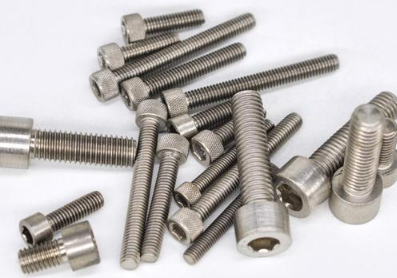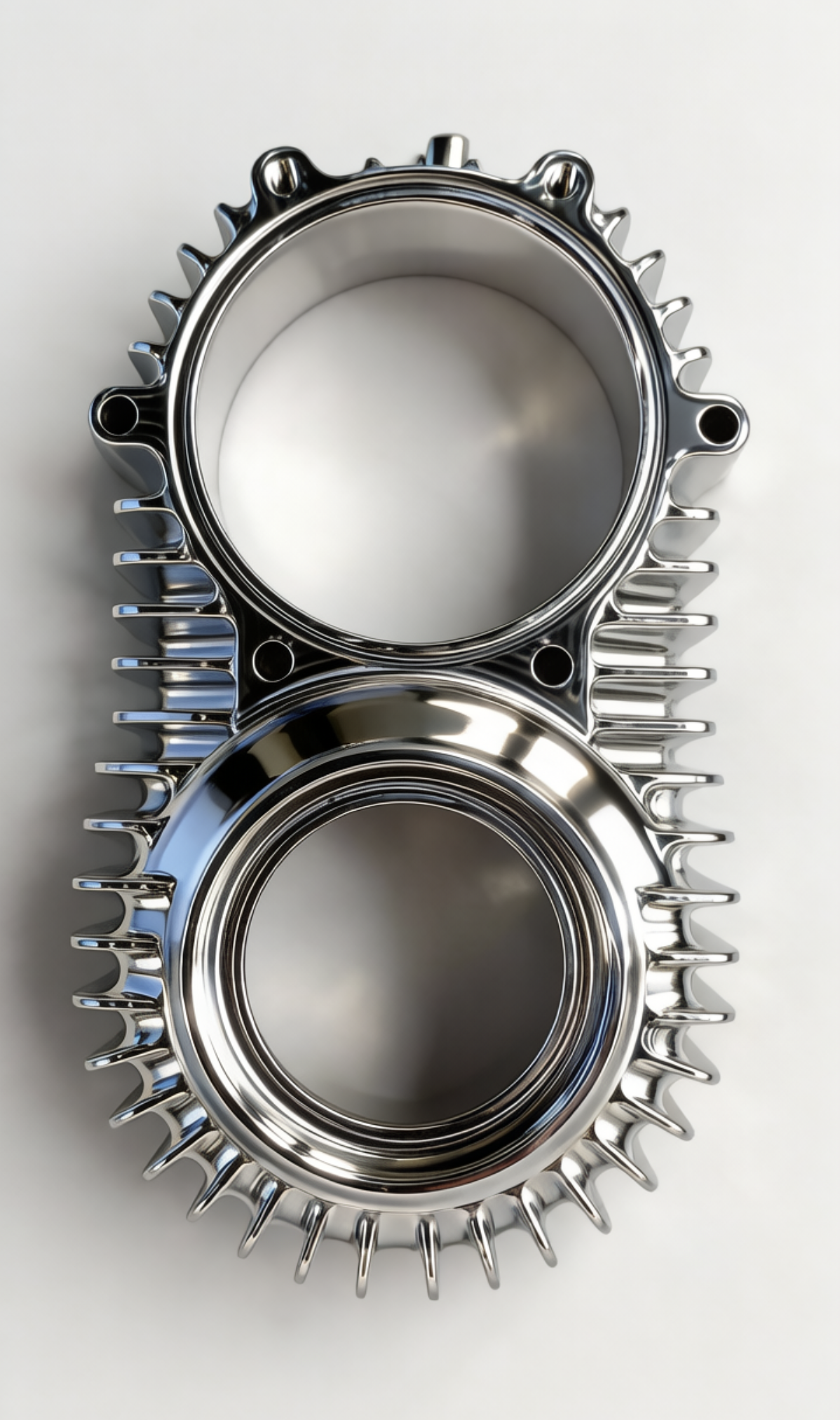
When you’ve already got a solid product design in mind, the next step is turning that idea into a prototype that truly reflects your final product. This is where rapid CNC prototyping comes in. Prototypes made with this method not only match your product’s appearance and dimensions but also closely replicate its mechanical properties and material performance. That means you can use them directly for market testing, functional evaluation, and even small-batch production—getting real-world feedback faster and more reliably.
Still wondering if rapid CNC prototyping is the right choice for your project? Choosing the wrong prototyping method can cost time, money, and valuable insights. In this guide, we’ll walk you through the rapid CNC prototyping process, highlight key points to watch out for, and show you how to reduce prototype costs. Our goal is simple: help you validate your design in the market at the lowest possible cost while ensuring your prototype behaves as closely as possible to the final product.
In short, if you want a prototype that looks, feels, and performs like your final product—while speeding up testing and enabling small-scale production—rapid CNC prototyping is a solution you don’t want to overlook.
What Is Rapid CNC Prototyping?
Rapid CNC prototyping is a method of quickly producing high-quality prototypes using computer-controlled machining tools. Unlike traditional prototyping methods that may focus on appearance only, CNC prototypes are made from real production-grade materials and accurately reflect the dimensions, structure, and performance of the final product.
Definition of Rapid CNC Prototyping
In simple terms, rapid CNC prototyping uses precision CNC machines—mills, lathes, or 5-axis machining centers—to transform your digital designs into physical prototypes. The process is fast, highly accurate, and suitable for both functional testing and early market validation.
How Rapid CNC Prototyping Works
The process typically involves:
- Design preparation – Your CAD files are reviewed for manufacturability.
- Material selection – Metals or engineering plastics are chosen based on product requirements.
- CNC machining – The machine removes material to shape your prototype according to the design.
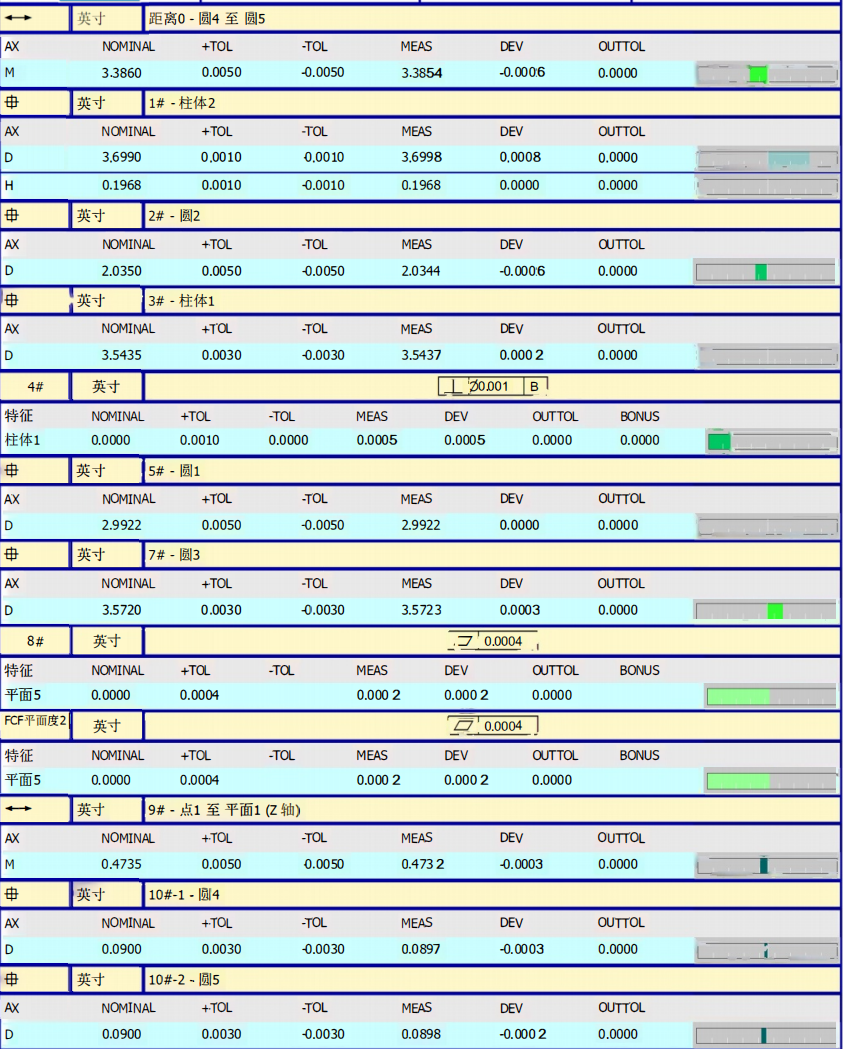
- Inspection and finishing – Prototypes are checked for accuracy and may receive surface treatments.
This workflow ensures that each prototype closely matches what the final production part will be.
Rapid CNC Prototyping vs Traditional CNC Machining
While traditional CNC machining is often geared toward large-scale production, rapid CNC prototyping focuses on speed, flexibility, and low-volume runs. It allows designers and product teams to test ideas quickly without the lead time or cost of full-scale manufacturing—making it ideal for iterative design and early-stage market testing.
Why Choose Rapid CNC Prototyping?
Not every prototype needs to be manufactured using CNC machining. If your goal is simply to visualize a concept or evaluate basic design aesthetics, technologies like 3D printing may be sufficient. However, when you need a prototype that accurately represents your final product in terms of appearance, material properties, strength, and functionality, rapid CNC prototyping becomes one of the most reliable options available.
For product developers, startups, and manufacturers, the biggest advantage of rapid CNC prototyping is confidence. It allows you to validate your design using a prototype that behaves much closer to the final production part, reducing risks before investing in tooling, inventory, or large-scale manufacturing.
Get a Prototype That Closely Matches the Final Product
One of the main reasons companies choose rapid CNC prototyping is the ability to create prototypes that closely resemble the final product.
Unlike many prototyping methods that use substitute materials or simplified manufacturing processes, CNC machining can produce parts from the same metals and engineering plastics intended for production. This means the prototype not only looks like the final product but also delivers similar strength, durability, weight, and performance.
As a result, you can make more informed decisions during product development and gain more reliable feedback from customers, investors, and engineering teams.
Validate Product Performance Before Mass Production
Discovering design flaws after production tooling has been ordered can be extremely expensive. Rapid CNC prototyping helps reduce this risk by allowing you to test and validate critical product features before committing to large manufacturing investments.
Whether you’re evaluating assembly fit, structural integrity, moving mechanisms, or overall product functionality, CNC-machined prototypes provide a realistic testing platform that helps identify potential issues early in the development cycle.
This proactive approach can save significant time and money while reducing costly design revisions later.
Accelerate Product Development and Market Validation
Speed is often a competitive advantage. The faster you can validate a design, the sooner you can gather feedback and move toward commercialization.
Rapid CNC prototyping shortens development cycles by producing functional prototypes in days rather than weeks or months. Instead of waiting for production tooling or extensive manufacturing setup, product teams can quickly test new concepts, refine designs, and respond to market feedback.
For startups and new product launches, this faster iteration process can make the difference between reaching the market first or falling behind competitors.
Support Pilot Runs and Low-Volume Production
In many cases, businesses are not ready for full-scale production immediately after prototyping. They may need a small batch of parts for beta testing, customer demonstrations, trade shows, crowdfunding campaigns, or initial product sales.
Rapid CNC prototyping naturally bridges the gap between development and mass production. The same manufacturing process used to create prototypes can also produce small quantities of end-use parts without the high upfront tooling costs associated with injection molding.
This flexibility allows companies to validate market demand before making larger investments.
Reduce Development Risks and Unnecessary Costs
Every product development project involves uncertainty. The earlier problems are discovered, the less expensive they are to fix.
Because rapid CNC prototyping provides highly accurate and functional parts, it helps teams identify design issues, manufacturing challenges, and performance limitations before they become costly production problems.
Rather than investing heavily in molds, tooling, and inventory based on assumptions, companies can use CNC prototypes to make data-driven decisions and allocate resources more efficiently.
Key Benefits of Rapid CNC Prototyping
|
Benefit |
Business Value |
|
Production-grade materials |
Realistic testing and reliable performance evaluation |
|
High dimensional accuracy |
Better fit, assembly, and functional validation |
|
Fast turnaround times |
Accelerated product development cycles |
|
No tooling investment |
Lower upfront development costs |
|
Small-batch production capability |
Ideal for pilot runs and market testing |
|
Design flexibility |
Easy modifications and rapid iterations |
|
Final-product similarity |
More accurate customer and market feedback |
Ultimately, rapid CNC prototyping is not just about creating a prototype quickly. It is about reducing uncertainty, validating ideas with confidence, and bringing products to market faster while minimizing development costs and risks.
Applications of Rapid CNC Prototyping
Rapid CNC prototyping is widely used across industries where performance, precision, and real-world testing are essential. Because CNC-machined prototypes closely replicate final production parts, they are especially valuable in sectors where failure is not an option and functional validation is critical.
Automotive Industry
In the automotive industry, rapid CNC prototyping is commonly used to develop and test components such as engine parts, interior assemblies, brackets, and custom housings. Engineers rely on CNC prototypes to evaluate fit, durability, and thermal resistance before moving to mass production.
This helps automotive teams reduce design risks and ensure that components meet strict safety and performance standards.
Aerospace Components
Aerospace applications require extremely high precision and material reliability. Rapid CNC prototyping enables the production of structural components, mounting systems, and airflow-related parts using high-strength materials like aluminum and titanium.
Because aerospace designs must meet strict regulatory and performance requirements, CNC prototypes are often used for both functional testing and certification validation.
Medical Device Development
Medical device manufacturers use rapid CNC prototyping to create surgical tools, diagnostic equipment components, and device housings. Since many medical applications require biocompatible materials and tight tolerances, CNC machining is ideal for producing accurate and functional prototypes.
It also allows engineers to test ergonomics, usability, and performance before final production.
Consumer Electronics
From smartphone housings to wearable devices and internal structural components, rapid CNC prototyping plays a key role in consumer electronics development.
It allows product teams to test product aesthetics, assembly precision, and structural integrity while ensuring the design aligns with both engineering requirements and user experience expectations.
Industrial Equipment
Industrial machinery and equipment often require durable, high-strength components that can withstand heavy use. CNC prototypes are used to test mechanical parts such as gears, enclosures, and support structures before full production.
This helps manufacturers ensure long-term reliability and reduce maintenance risks in real-world applications.
Robotics and Automation
In robotics and automation systems, rapid CNC prototyping is used to develop mechanical arms, custom brackets, sensors housings, and motion components.
Because robotics systems require precise alignment and repeatable motion, CNC prototypes provide the accuracy needed for performance testing and system integration.
Startup and Hardware Innovation Projects
Beyond traditional industries, rapid CNC prototyping is especially valuable for startups developing new hardware products. It allows early-stage teams to quickly turn ideas into functional prototypes for investor presentations, crowdfunding campaigns, and early customer feedback.
This makes it easier to validate product-market fit before committing to large-scale manufacturing investments.
Factors Affecting Rapid CNC Prototype Costs
Understanding what drives the cost of a rapid CNC prototype is essential for planning your product development budget. Several factors influence pricing, and making informed decisions early can help you reduce expenses without compromising quality.
Material Choice
The type of material you select has a direct impact on cost. Metals like titanium and stainless steel are more expensive and harder to machine, while aluminum and engineering plastics like ABS or nylon are more cost-effective. Choosing the right material for your prototype depends on whether you prioritize mechanical performance, weight, durability, or cost.
Part Complexity
Prototypes with intricate geometries, deep pockets, thin walls, or undercuts require more machining time and specialized tooling, which increases costs. Simplifying features where possible and designing for CNC manufacturability can significantly reduce expenses.
Machining Time
The longer a CNC machine must run to complete a part, the higher the cost. Machining time is influenced by part size, complexity, and the number of operations required. Optimizing tool paths and consolidating features can help reduce machining time.
Surface Finishing Requirements
High-end surface finishes, coatings, or post-processing treatments—such as polishing, anodizing, or powder coating—add to the total cost. Determine whether a prototype truly needs the final finish or if a basic functional surface is sufficient for testing and validation.
Quantity and Lead Time
Rapid CNC prototyping is flexible for small batches, but larger quantities naturally increase material usage and machine hours. Additionally, expedited or rush orders typically come with higher fees. Planning ahead and ordering only the quantity you need for testing or market validation can save money.
Design Decisions That Influence Costs
Small design choices can make a big difference. Tight tolerances, excessive wall thinness, complex internal features, or non-standard geometries increase machining difficulty and cost. Collaborating with your CNC provider early can help you optimize your design for both performance and budget efficiency.
By understanding these factors, you can strategically plan your prototypes to balance quality, functionality, and cost—ensuring your rapid CNC prototype provides maximum value without unnecessary expense.
Rapid CNC Prototyping vs Other Prototyping Methods
When it comes to developing prototypes, product teams have several options, each with its own advantages and limitations. Understanding how rapid CNC prototyping compares to other common methods can help you make smarter decisions for your project.
|
Factor |
CNC Machining |
3D Printing |
Injection Molding |
Vacuum Casting |
|
Accuracy |
★★★★★ |
★★★ |
★★★★★ |
★★★ |
|
Material Options |
★★★★★ |
★★ |
★★★★★ |
★★★ |
|
Mechanical Strength |
★★★★★ |
★★ |
★★★★★ |
★★★ |
|
Lead Time |
★★★★ |
★★★★★ |
★ |
★★★ |
|
Cost for Small Batch |
★★★ |
★★★★★ |
★ |
★★★★ |
|
Best Use |
Functional prototypes, market validation, low-volume production |
Concept models, visual evaluation |
Mass production parts |
Small batch functional prototypes, cosmetic parts |
CNC Machining vs 3D Printing
While 3D printing is fast and excellent for visualizing concepts, it often uses plastics with limited mechanical properties. CNC prototypes, on the other hand, can be made from production-grade metals and engineering plastics, making them suitable for functional testing, durability evaluation, and realistic assembly checks.
CNC Machining vs Injection Molding
Injection molding is cost-effective only for large production volumes due to high tooling costs. For early-stage prototypes or small-batch production, rapid CNC prototyping is faster and more flexible, allowing for design iterations without expensive mold modifications.
CNC Machining vs Vacuum Casting
Vacuum casting is good for producing small batches with moderate accuracy and surface finish. However, CNC prototyping delivers higher dimensional accuracy, stronger materials, and functional reliability, which is critical when the prototype must behave like the final product.
In short, if your goal is to create a prototype that closely resembles the final product in both form and function, rapid CNC prototyping is often the most reliable choice.
Design Guidelines for Cost-Effective Rapid CNC Prototyping
One of the most effective ways to reduce rapid CNC prototyping costs is to optimize your design before manufacturing begins. Since CNC machining is a subtractive process, even small design decisions can significantly impact machining time, material usage, and overall complexity.
Below are practical design guidelines that help you achieve a balance between performance, manufacturability, and cost efficiency.
Optimize Wall Thickness
Avoid unnecessarily thin or excessively thick walls. Thin walls may require slower machining speeds and specialized tools, while overly thick sections increase material usage and machining time. Designing with balanced, standard wall thicknesses helps improve stability while keeping production efficient.
Avoid Deep Cavities and Excessive Pocket Depths
Deep pockets and cavities are time-consuming to machine because they require longer tools and multiple passes. These features can also increase tool wear and reduce machining efficiency. Where possible, simplify internal geometries or reduce depth-to-width ratios.
Design with Standard Tool Sizes in Mind
CNC machining is highly dependent on standard cutting tool dimensions. Designing features that align with commonly used tool sizes helps reduce the need for custom tooling and minimizes machining complexity. This also improves surface finish and production speed.
Reduce Unnecessary Tight Tolerances
Tight tolerances are often more expensive than necessary, especially for non-critical features. Applying precision tolerances only where functionally required can significantly reduce machining time and inspection costs. For non-functional areas, looser tolerances are usually sufficient.
Simplify Internal Features
Complex internal structures, undercuts, and hidden geometries often require additional setups or specialized machining strategies. Simplifying internal features not only reduces cost but also improves manufacturability and part consistency.
Design for Efficient Machining
A well-designed part considers how it will be held, oriented, and machined. Designing with fewer setups in mind can significantly reduce production time and cost. Whenever possible, structure your design so that most features can be machined in a single setup.
Collaborate with Your CNC Manufacturer Early
Early communication with your CNC supplier can help identify potential manufacturing challenges before production begins. Experienced engineers can suggest design adjustments that reduce cost while maintaining functionality and performance.
By following these guidelines, you can significantly improve the cost-effectiveness of your rapid CNC prototyping process while ensuring your prototype remains functional, accurate, and production-ready.
Conclusion
Rapid CNC prototyping plays a critical role in modern product development, especially when speed, accuracy, and real-world performance validation are essential. Unlike concept models or appearance-only prototypes, CNC-machined parts are built from production-grade materials and closely replicate the final product in both form and function. This makes them highly reliable for engineering validation, market testing, and even early-stage low-volume production.
For teams developing new products, the real value of rapid CNC prototyping is not just faster turnaround—it is reduced risk. By testing and refining designs early, you can avoid costly tooling changes, improve product performance, and bring your ideas to market with greater confidence and efficiency.
Ultimately, choosing the right prototyping approach depends on your goals, budget, and development stage. But when your priority is producing a functional, production-like prototype that can support real decision-making, CNC machining remains one of the most dependable solutions available.
If you are looking for a reliable and cost-effective partner for rapid CNC machining, CS Rapid MFG provides high-precision manufacturing services with fast turnaround, engineering support, and flexible small-batch production—helping you move from concept to a market-ready product more efficiently.