CNC Machining
Custom CNC Turning Services
CS Rapid MFG offers high-precision custom CNC turning services for OEM, rapid prototypes and production. Instant quotes on custom metal and plastic turned parts. International prototype pricing includes tariffs.
Our CNC turning services allow you to create industrial-grade parts and components with automated speed and precision.
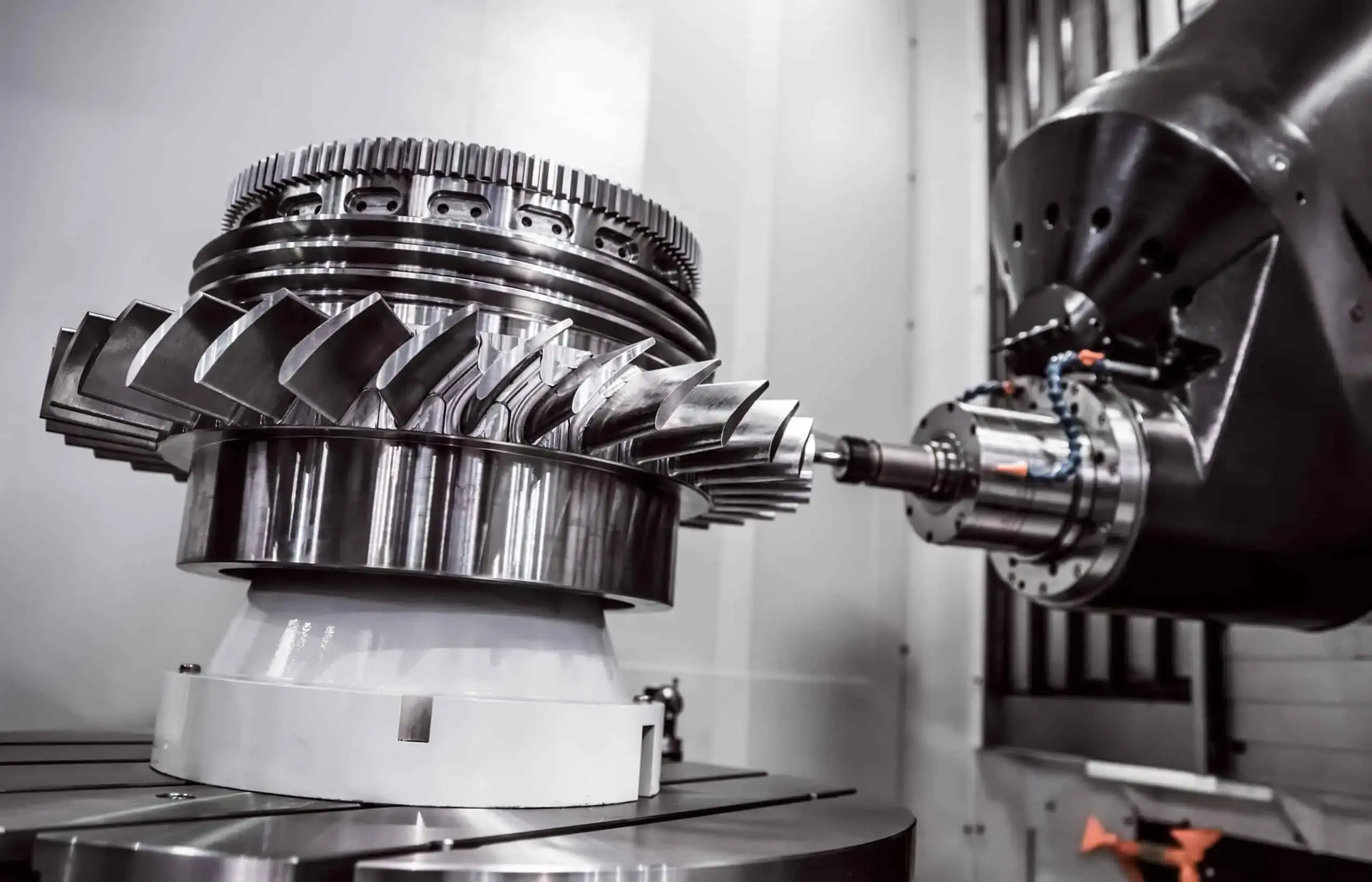
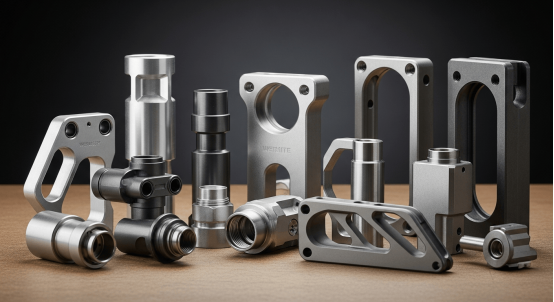
Our CNC Turning Advantages
Using the latest CNC machines, CS Rapid MFG produces highly accurate, quick turn parts in as fast as 1 day.
Offers high-precision tolerances ranging from +/-0.001″ – 0.005″, depending on customer specs. We are the experts in making parts that are truly custom and ready to use.
We stock more than 100 plastic and metal materials suitable for various part applications across industries. Include ABS, CPVC, HDPE, Nylon, PMMA, PTFE, PVC, Aluminum, Brass, Copper, Stainless Steel, Titanium, etc.
CS Rapid MFG is an ISO 9001:2015 certified CNC machining service provider, offering high-precision custom machining services for prototypes, low-volume production, and full-scale manufacturing.
Trusted by Innovative Companies













CNC Turning with CS Rapid MFG
At CS Rapid MFG, our advanced CNC turning services deliver high-quality custom metal and plastic turned parts in as fast as 1 day. Backed by a robust manufacturing network of over a dozen specialized factories, we possess the massive capacity and agility to support your projects at every stage—from rapid prototyping and pilot runs to high-volume series production.
Our facilities are equipped with state-of-the-art CNC lathes and turning centers with live tooling capabilities. This allows us to seamlessly machine complex cylindrical geometries, axial/radial holes, intricate grooves, slots, and flats with exceptional repeatability and tight tolerances.
Whether you need a one-off shaft for design verification or large-scale precision components for end-use applications, CS Rapid MFG combines expert engineering, dynamic scalability, and competitive pricing to keep your supply chain moving. Upload your 3D CAD file now for an instant quote.
Design Guidelines for CNC Turning

Maximum Part Size
200 × 500 mm (7.9 × 19.7 in)
Minimum Part Size
2 × 2 mm (0.079 × 0.079 in)
Minimum Feature Size
Ø 0.50 mm (Ø 0.0197 in)
Threads
Ø 1.5–5 mm: depth up to 3× diameter; Ø ≥ 5 mm: depth up to 4–6× diameter
Marking
Laser marking available for standard text (identification, traceability, branding)
Edge Condition
Sharp edges will be broken (chamfer or radius). Specific chamfer or radius requirements must be defined on the drawing.
Thread Capability
Custom thread specifications supported per drawing
Scalable CNC Turning Manufacturing
CS Rapid MFG delivers on-demand CNC turning solutions engineered to adapt to your project scope and deadlines. Leveraging our extensive machining capacity, we provide the rapid turnarounds and strict accuracy necessary to keep your product launch on schedule.
Prototype CNC Turning
Low-Volume CNC Turning
CNC Turning Materials
At CS Rapid MFG, we source and machine an extensive selection of engineering materials—including high-strength metal alloys, performance plastics, woods, and advanced composites—optimized for durability and cost-efficiency. Our engineering team provides expert DFM (Design for Manufacturability) analysis to streamline and optimize your part designs. Ready to start?
Metal Materials
- Aluminum Alloy (5052, 2024-T3, 6061-T6, 6063-T5, 7075, 7075-T6, MIC-6)
- Steel (Mild Steel & Hardened Steel)
- Brass (C360, C260, C932 M07 Bearing Bronze)
- Titanium (Titanium Grade 2, Titanium 6Al-4V)
- Copper (C110, C101)
- Stainless Steel (Grade 303, 304, 316, 17-4, 416, 420, 1018, A36)
- Magnesium (AZ31)
- Zinc Sheet Alloy 500
Plastics Materials
- ABS
- Acetal [Delrin]
- Acrylic
- G-10 Garolite
- Nylon 6/6
- PEEK
- Polycarbonate
- PTFE [Teflon]
- Polypropylene
- Polyethylene
Others
- Wood
- Stone
- Glass
CNC Turning Surface Finishes
Components produced via CNC turning typically deliver a superior, more uniform surface finish than those produced via traditional milling, with minimal roughness on cylindrical surfaces. Nevertheless, secondary features—including flats, slots, keyways, and drilled holes—may retain directional tool marks from post-turning operations. At CS Rapid MFG, we offer tailored surface finishes to protect and enhance your turned parts:
- Aluminum: Anodizing (Type II/III), bead blasting, or powder coating.
- Stainless Steel: Passivation, mechanical polishing, or bead blasting.
- Carbon Steel: Electroplating, black oxide, or protective industrial coatings.
As-Milled
The optimal choice for the fastest turnaround. An as-milled finish leaves the surface as it comes from the CNC machine, providing a cost-effective option with visible tool marks. Surface finish is comparable to a 125 uin Ra finish.
Bead Blast
Our bead blasting process utilizes high-pressure, fine glass beads to thoroughly clean, deburr, and remove surface deposits without compromising part integrity. This treatment delivers a uniform, matte, or satin-like finish that effectively masks directional tool marks.
Anodized
CS Rapid MFG provides high-quality anodizing solutions for aluminum components. It is the industry choice for critical CNC applications across aerospace, electronics, medical devices, and heavy industrial equipment. Type II (Standard) creates an excellent corrosion-resistant layer and is available in various colors, including clear, black, red, and gold. Type III (Hardcoat) produces a thicker, exceptionally wear-resistant surface.
Chemical Finishes
These precision chemical treatments enhance surface properties without altering critical part dimensions. CS Rapid MFG offers chromate conversion (alodine), passivation, black oxide, and electropolishing to significantly improve corrosion resistance, surface purity, aesthetics, and specialized properties such as lubricity or electrical conductivity.
Platings
We provide advanced plating options—including electroless nickel, gold, silver, and zinc—to enhance conductivity, wear resistance, and corrosion protection. Our plating processes deliver durable, ultra-uniform coatings that safeguard part precision and surface quality.
Powder Coat & Paint
Powder coating and wet painting add a heavy-duty, protective barrier against corrosion, friction, and UV degradation. These options deliver a flawless, high-quality cosmetic appearance while safeguarding the underlying mechanical performance of your components.
Sanding & Polishing
By meticulously removing tool marks and refining rough surfaces, our hand-sanding and mechanical polishing deliver ultra-smooth, high-gloss finishes while preserving tight dimensional tolerances. This finish is perfect for customer-facing enclosures and high-end aesthetic prototypes.
E-Coating
Utilizing electrostatic deposition, our E-coating ensures complete, highly uniform coverage even across intricate, complex geometries. It serves as an exceptional primer or standalone finish for superior corrosion protection.
Put your parts into production today
Tolerances for CNC Milling by CS Rapid MFG
CS Rapid MFG provides expert CNC milling services with tolerance capabilities as tight as $\pm$0.01 mm to handle your critical, high-precision projects. Every part undergoes rigorous inspection against your 2D blueprints and GD&T specifications for consistent quality and assembly-ready fit. We easily adapt to industry standards, utilizing ISO 2768 for general tolerances and ASME Y14.5 for advanced geometric dimensioning whenever specified.
| Features | Advantages of Turning | ||
| Linear Dimensions | ±0.10 mm | ||
| Hole Diameters | ±0.13 mm | ||
| Shaft Diameters | ±0.13 mm | ||
| Threads | Per standard thread class and drawing requirements | ||
| Surface Finish | As-machined (Ra 125 µin) unless otherwise specified | ||
| Edge Condition | Sharp edges broken unless otherwise noted on drawing | ||
| Lead Time (Simple Parts) | 1–3 days |
A Customer’s Words Mean More than Ours


FAQ's about CNC milling service
CNC turning is a computer-controlled, subtractive manufacturing process used to create highly precise parts. In this process, a blank bar of stock material (the workpiece) is loaded into the chuck of a lathe machine and rotated at high speeds. While the material spins, a stationary cutting tool is brought into contact with it to progressively remove material until the final desired geometry is formed. The entire operation is guided by computer instructions, typically known as G-code, which ensures extreme precision and repeatability.
Key Characteristics:
1. Ideal for Round Geometries: Because the process relies on spinning the raw material, CNC turning is exceptionally well-suited for creating symmetrical cylindrical, spherical, and tubular parts. Common applications include manufacturing shafts, rods, pins, spacers, and axles.
2. Versatile Machining Operations: Beyond basic turning, CNC lathes can perform a wide range of secondary operations, including facing, threading, drilling, boring, grooving, and knurling. Furthermore, modern CNC lathes equipped with “live tooling” can machine additional features such as flat surfaces, slots, and axial or radial holes without moving the part to a milling machine.
3. Broad Material Compatibility: CNC turning can be applied to a vast array of materials. It is commonly used with hard metals such as aluminum, steel, stainless steel, brass, and titanium, as well as various types of engineering plastics.
CNC turning is a computer-controlled, subtractive manufacturing process where a workpiece rotates while a stationary cutting tool removes material to create the desired shape.
Here is a step-by-step breakdown of how the process typically works:
Programming: The process begins with preparing a CAD (Computer-Aided Design) file, which is then converted into a CAM (Computer-Aided Manufacturing) program. This program generates specific computer instructions, known as G-code, that guide the machine’s movements for precise shaping and detailing.
Setup: A blank bar of stock material (the raw workpiece) is loaded into the chuck of the lathe’s spindle. The chuck acts as a clamp to securely hold the material in place. Meanwhile, the required cutting tools (such as turning tools, drills, or grooving tools) are mounted onto the machine’s tool changer.
Machining (Material Removal): The spindle rapidly spins the workpiece on its axis. Once it reaches the required speed, the programmed stationary cutting tool is brought into contact with the rotating stock
. By feeding the cutter into the rotating bar, material is progressively shaved away until the final geometry is achieved.
Additional Operations: During the process, various operations can be performed without removing the part, such as facing, threading, drilling, and boring. Some advanced lathes equipped with “live tooling” can even add features like flat surfaces, radial holes, and slots.
Parting and Finishing: When all machining operations are complete, a parting tool is often used to cut the finished part off the remaining stock. The part is then ready for inspection, use, or further secondary surface finishing processes.
The parts most suitable for CNC turning are those with symmetrical cylindrical, tubular, round, or spherical features. Because the turning process involves rotating the raw material in a chuck to cut it, it is highly accurate, efficient, and cost-effective for creating parts with rotational symmetry.
Here are the most common parts and geometric classifications manufactured via CNC turning:
1. Basic Transmission and Structural Components
Shafts and Rods: Various sizes of shafts, rods, axles, and hollow cylinders.
Tubular and Positioning Parts: Pins, spacers, bushings, collars, and housings.
2. Fasteners and Hardware
Widely used in construction and mechanical assembly, such as bolts, screws, joint connectors, and other fasteners.
3. Industry-Specific Precision Components
Automotive: Gear blanks, bearing blocks, rotors, and critical engine or suspension components (e.g., cylinder heads, connecting rods, camshafts, control arms, and tie rod ends).
Aerospace: Aircraft engine components, probes, joint connectors, and aviation fasteners are often made from materials such as titanium to withstand extreme temperatures.
Medical: High-precision surgical instruments and valve components.
4. Parts with Specific Geometric Features
Turning is not limited to straight cylinders; it can also machine:
Tapered shapes (like a cone) or complex contoured shapes (such as a chess pawn).
Parts with threaded holes or grooves (e.g., O-ring grooves).
Parts requiring knurled textures for better grip (like handles), as well as chamfered or shouldered shapes.
The main difference between CNC turning and milling lies in how the machine or the raw material moves. Here are the core differences between the two processes:
Motion Principle: In CNC turning, the workpiece (raw material) rotates while a stationary cutting tool removes material. Conversely, in CNC milling, the material is held in place while the cutting tools rotate around it along the x-, y-, and z-axes.
Applicable Shapes: Because turning involves rotating the workpiece in a chuck, it is generally used to create symmetrical cylindrical, round, tubular, or spherical parts. In contrast, CNC milling is better suited for creating complex three-dimensional shapes.
Surface Finish: When machining cylindrical surfaces, turning with a lathe typically yields a much smoother surface finish and lower surface roughness than milling.
Equipment Used: CNC turning is primarily performed using a CNC Lathe (or a lathe equipped with live tooling).
Despite these differences, when manufacturing advanced 3D parts that include both turned and milled features, manufacturers often combine these two processes. They are used in a sequence of steps to machine the raw material into an accurate, high-quality final product.
From Rapid Prototyping to Production
CNC machining is an ideal manufacturing process whether you need a few parts or 10000+ units as end-used production parts. Contact us for professional CNC services at CS Rapid MFG.