In the field of industrial automation, equipment must operate continuously and reliably, minimizing downtime for maintenance. Therefore, material selection is crucial to the overall performance, lifecycle cost, and long-term stability of the system.
Stainless steel, with its balanced mechanical properties and corrosion resistance, is widely used in automated equipment in industries such as packaging, food and beverage, pharmaceuticals, battery production, and industrial automation.
Key Material Requirements in Automation Equipment
Typical automation environments involve:
Continuous operation and repetitive motion
- Humid, dusty, or chemically corrosive environments
- Frequent cleaning or washing
- High demands on alignment, positioning, and repeatability
These conditions demand materials that offer:
Structural strength and rigidity
- Corrosion resistance
- Long-term dimensional stability
- Ease of manufacturing and cost control
Typical Stainless Steel Applications in Automation
1. Machine Frames and Structural Components
Machine frames
Base plates
Support structures
Protective covers and enclosures (sheet metal)
Stainless steel structures are often selected for environments where corrosion resistance, rigidity, and appearance are important—especially in food, pharmaceutical, and clean automation lines.
Our capability:
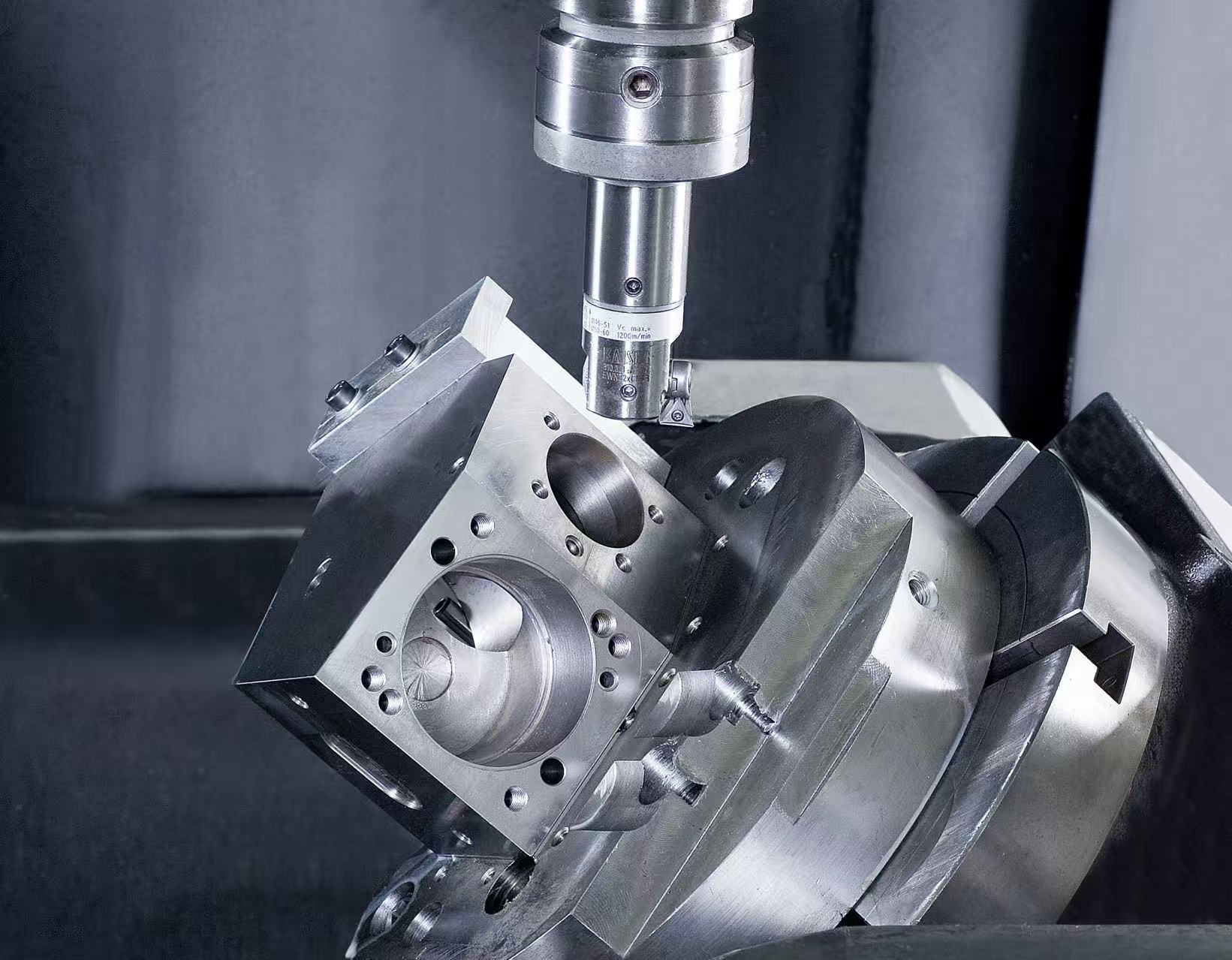
We manufacture stainless steel frames and structural parts using a combination of CNC machining, sheet metal fabrication, and welded assemblies, with controlled flatness and post-weld machining when required.
2. Precision Mounting and Alignment Components
Mounting brackets
Adapter plates
Flanges
Positioning blocks
These components typically require CNC machining to ensure consistent assembly accuracy and machine repeatability.
Our capability:
We support high-precision CNC machining for stainless steel parts, including tight tolerances, controlled parallelism, and repeatable quality for small to medium batch production.
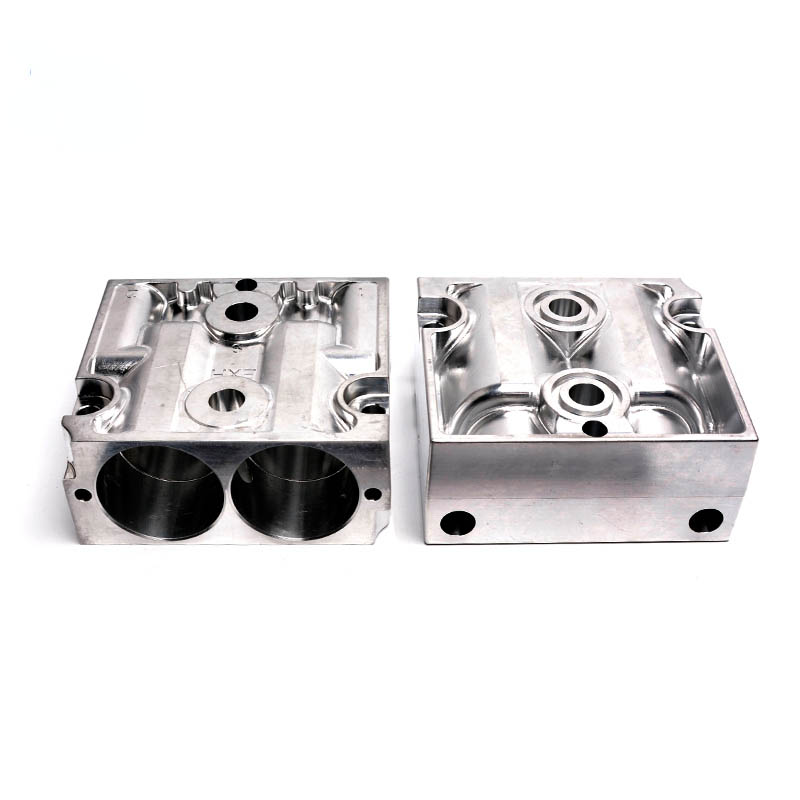
3. Functional and Process Components
Valve bodies
Pipe fittings
Sensor housings
Actuator mounts
These parts are often exposed directly to the operating environment and must combine corrosion resistance with mechanical reliability.
4. Tooling, Fixtures, and EOAT Components
Assembly fixtures
Inspection jigs
End-of-arm tooling (EOAT) parts
Stainless steel is commonly used for automation tooling due to its durability and long-term dimensional stability.
Summary
Stainless steel is not simply a high-end option; for automated equipment requiring stable, long-term operation, it is often the most practical and reliable solution. For manufacturers of automated equipment and system integrators, choosing the right stainless steel material is crucial, as is selecting a custom fabrication partner who understands manufacturing processes, assembly, and application scenarios.
If you are developing or optimizing components for automated equipment, please contact us. We can provide comprehensive technical support, from material selection and processing techniques to cost estimation and delivery times.