In modern manufacturing, engineers often face challenges when machining hardened metals, deep cavities, or extremely delicate features. Traditional cutting tools struggle to meet these requirements.
Electrical Discharge Machining (EDM) plays a crucial role in this process.
EDM is widely used in precision mold making, aerospace components, and high-precision industrial parts, where traditional machining methods may have reached their limits.
What is Electrical Discharge Machining (EDM)?
Electrical Discharge Machining, often simply called EDM, is a non-contact manufacturing process that uses controlled electrical sparks to remove material.
During EDM:
- Electrodes and the workpiece are immersed in a dielectric fluid.
- A high-frequency voltage is applied between them.
- A controlled spark is generated between the electrode and the material.
- Each spark melts and vaporizes a tiny amount of metal.
By repeating this process thousands of times per second, EDM can gradually machine the part into the desired geometry.
Because there is no physical contact between the tool and the workpiece, no cutting force is applied to the material.
What materials can Electrical Discharge Machining (EDM) machine?
One of the biggest advantages of EDM is that material hardness does not affect the machining process.
As long as the material is conductive, EDM can be machined efficiently.
Common EDM-machined materials include:
- Hardened tool steels (H13, S136, SKD61)
- Stainless steel
- Titanium alloys
- Carbide
- Copper and brass
- Aluminum alloys
This characteristic makes EDM particularly important for machining precision mold parts and hardened tool parts.
Common Applications of EDM Machining
EDM is widely used in industries requiring extremely high precision and complex geometries.
Injection Mold Manufacturing
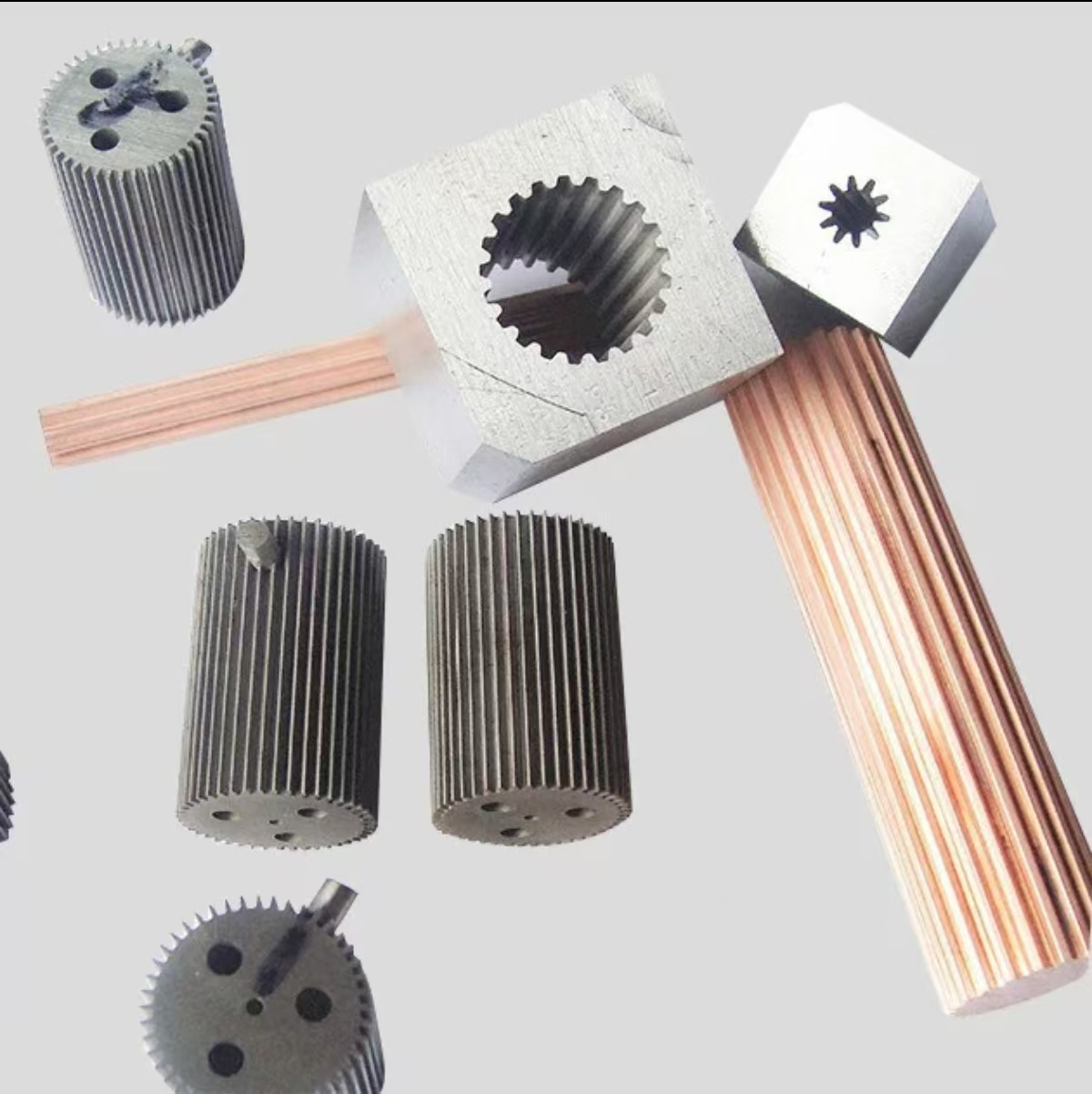
EDM is crucial for manufacturing mold cavities, sharp internal angles, and fine features that are impossible to achieve with conventional milling tools.
It is commonly used for:
- Mold inserts
- Fine ribs and grooves
- Precision cavity details
Precision cutting tools
Many precision cutting tools require high hardness and tight tolerances, making them difficult to machine using conventional cutting tools.
Electrical Discharge Machining (EDM) enables manufacturers to produce:
- Punches and dies
- Tool inserts
- Precision gauges
Aerospace and high-performance components
In aerospace and high-performance equipment, materials are often extremely hard and have highly complex geometries.
EDM allows manufacturers to machine complex shapes of high-strength alloys without applying mechanical stress to the parts.
Applications of EDM in Modern Manufacturing
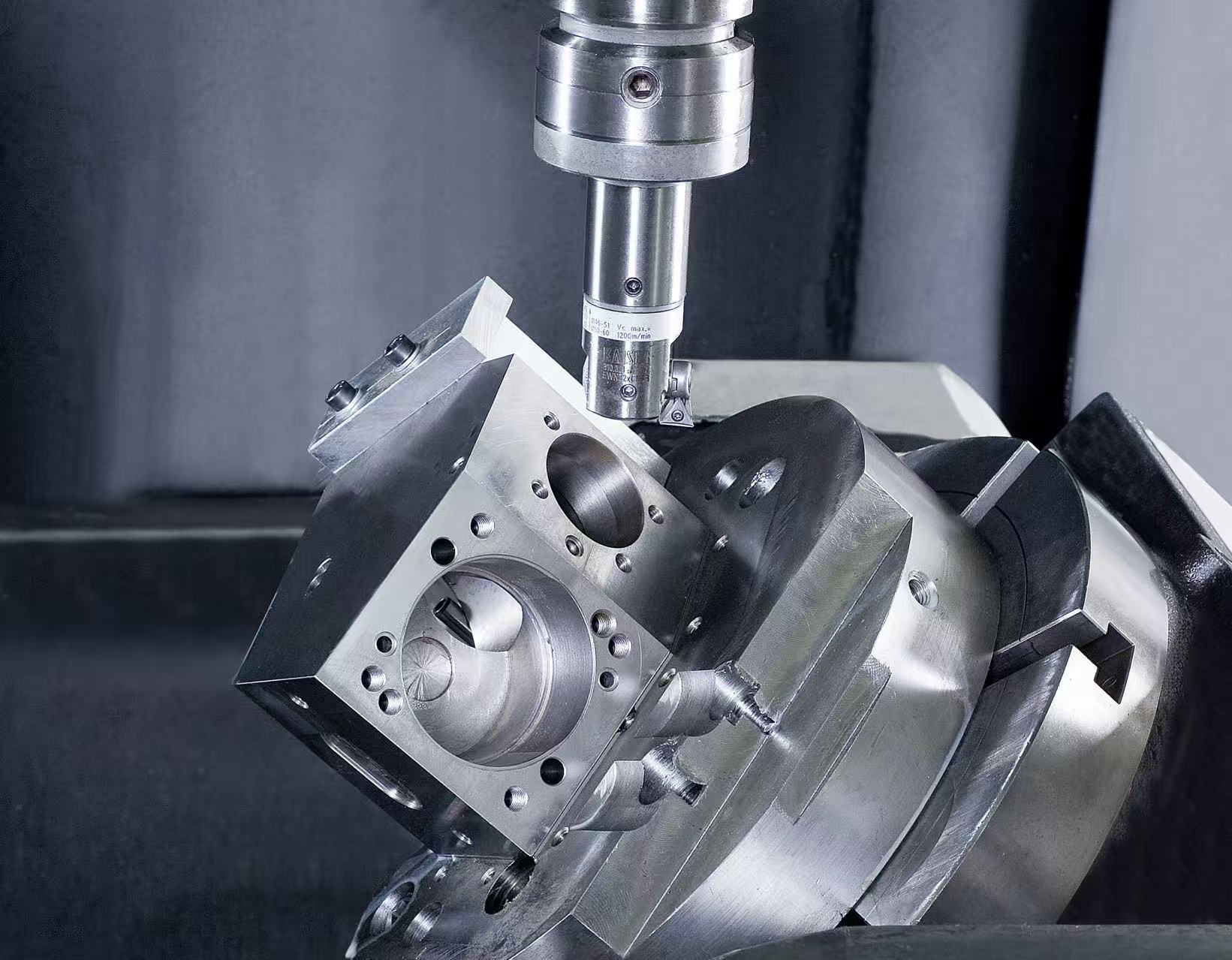
Today, EDM is rarely used alone. In most advanced manufacturing environments, it is typically combined with CNC machining for optimal results.
Generally:
- CNC machining is used for roughing.
- EDM is used for machining fine details and precision features.
This hybrid approach ensures efficiency and accuracy in the production of complex parts.
Conclusion
Electrical discharge machining is a key technology in modern precision manufacturing. Its ability to machine hardened materials, complex geometries, and fine features makes it indispensable in industries such as mold making, aerospace, and precision engineering.
If you have any projects that require processing, please feel free to contact us.