In precision manufacturing, engineers often encounter designs that are difficult or even impossible to produce using traditional cutting tools. When parts involve hardened materials, sharp internal corners, or deep narrow features, conventional machining methods can quickly reach their limits.
This is where Electrical Discharge Machining (EDM) becomes an essential solution.
In the previous article, we introduced the EDM machining process and its common applications. In this article, we will focus on the key advantages of EDM machining and why it is widely used in mold manufacturing and high-precision components.
1. EDM Is Not Affected by Material Hardness
One of the biggest advantages of EDM machining is that material hardness does not impact the cutting process.
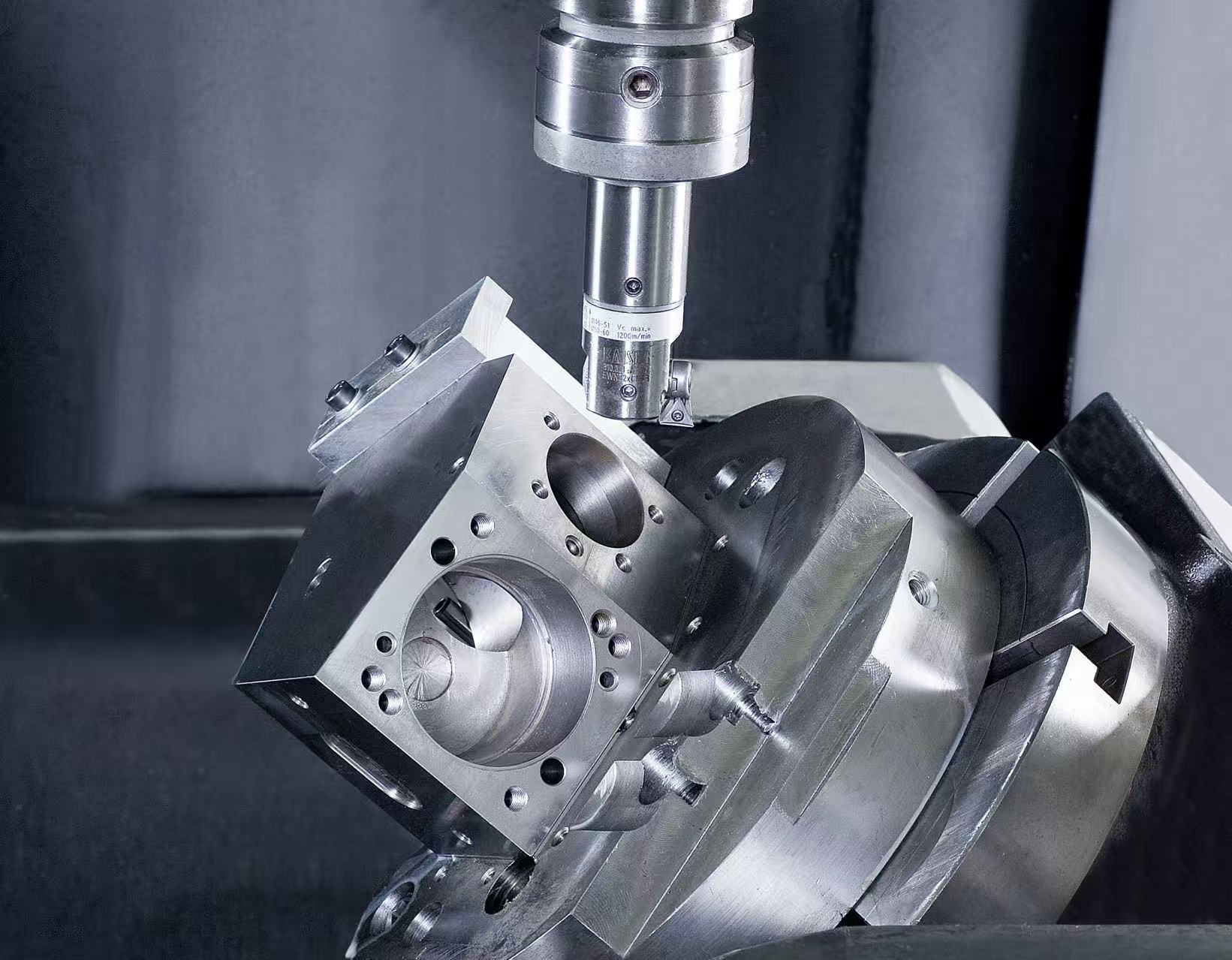
Traditional CNC tools experience rapid wear when machining hardened steels such as H13, S136, or SKD61. Tool breakage and poor surface quality can also occur.
EDM, however, removes material using electrical sparks rather than mechanical cutting. This means it can easily machine fully hardened tool steels and high-strength alloys with consistent precision.
For industries such as injection mold manufacturing and precision tooling, this capability is extremely valuable.
2. Perfect for Sharp Internal Corners
Standard milling cutters are round, which means they cannot create perfectly sharp internal corners.
This limitation can be problematic when producing precision mold inserts or interlocking components, where tight mating surfaces are required.
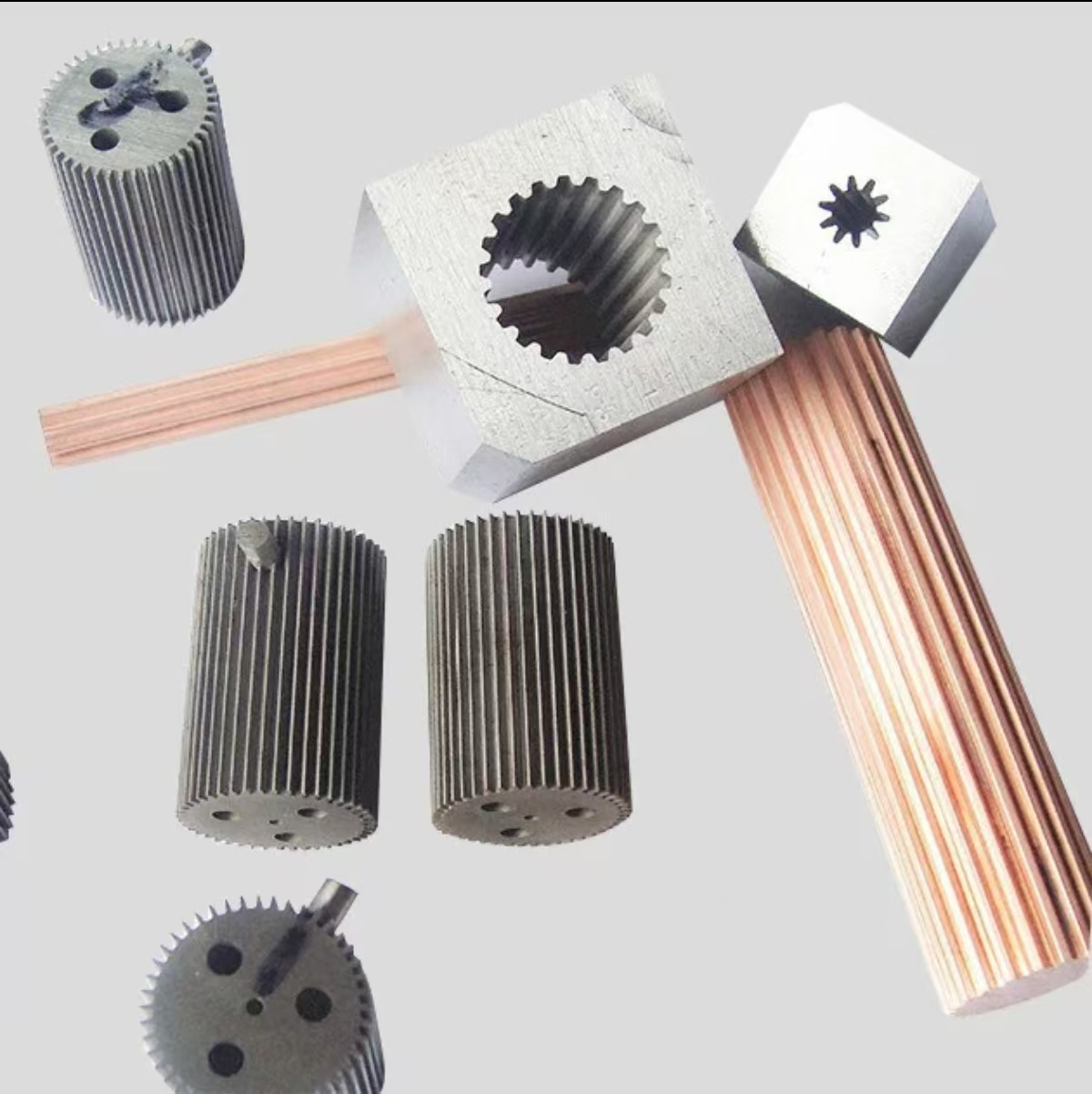
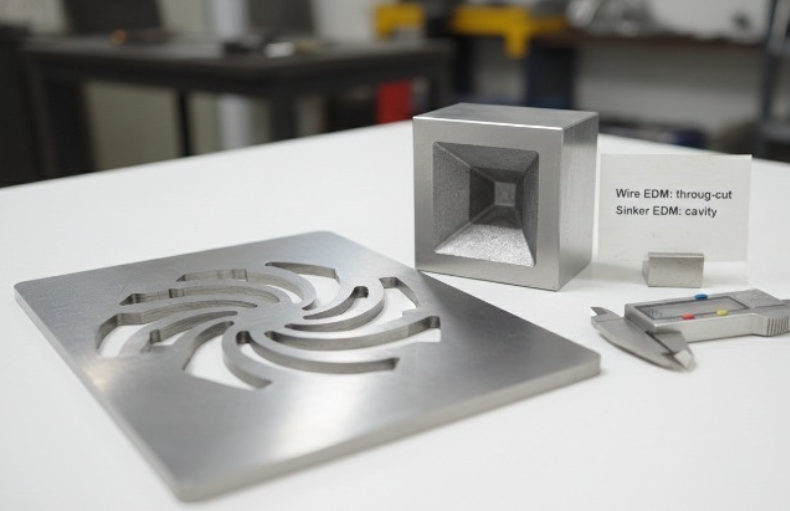
EDM machining solves this problem by using specially shaped electrodes to create sharp internal edges and intricate geometries that traditional cutting tools cannot achieve.
This makes EDM particularly important for:
-
Injection mold cavities
-
Precision mold inserts
-
Complex tooling components
3. Ideal for Deep Cavities and Narrow Slots
Deep ribs, narrow slots, and thin walls are common in modern industrial designs, especially in plastic injection molds and precision equipment.
However, these features are extremely challenging to produce using traditional machining. Long cutting tools can bend, vibrate, or break when reaching deep inside the material.
EDM eliminates this issue because the machining process does not rely on mechanical contact. Instead, the electrical discharge can maintain stable precision even in deep or narrow areas.
As a result, EDM is widely used for:
-
Deep mold cavities
-
Thin ribs in mold designs
-
Precision slots and micro features
4. No Mechanical Stress on the Workpiece
Because EDM machining is a non-contact process, it does not apply cutting forces to the workpiece.
This eliminates many problems commonly seen in traditional machining, such as:
-
Part deformation
-
Tool pressure marks
-
Structural stress in delicate components
For high-precision parts or fragile geometries, this advantage can significantly improve dimensional stability and overall part quality.
5. Excellent Surface Finish for Mold Components
EDM can achieve very fine surface finishes depending on the machining parameters.
In mold manufacturing, surface finish is extremely important because it directly affects:
-
Mold release performance
-
Surface quality of molded plastic parts
-
Overall mold durability
EDM finishing processes can produce smooth surfaces that reduce the need for additional polishing.
EDM and CNC: A Complementary Process
In most advanced manufacturing environments, EDM is used together with CNC machining.
Typically:
-
CNC machining performs the initial rough machining.
-
EDM machining completes the fine details and precision features.
This combination allows manufacturers to achieve both efficient production and extremely high accuracy.
Conclusion
EDM machining offers several unique advantages that make it indispensable in modern precision manufacturing. Its ability to machine hardened materials, sharp internal corners, and deep narrow features makes it a key technology in industries such as mold manufacturing, aerospace, and precision tooling.