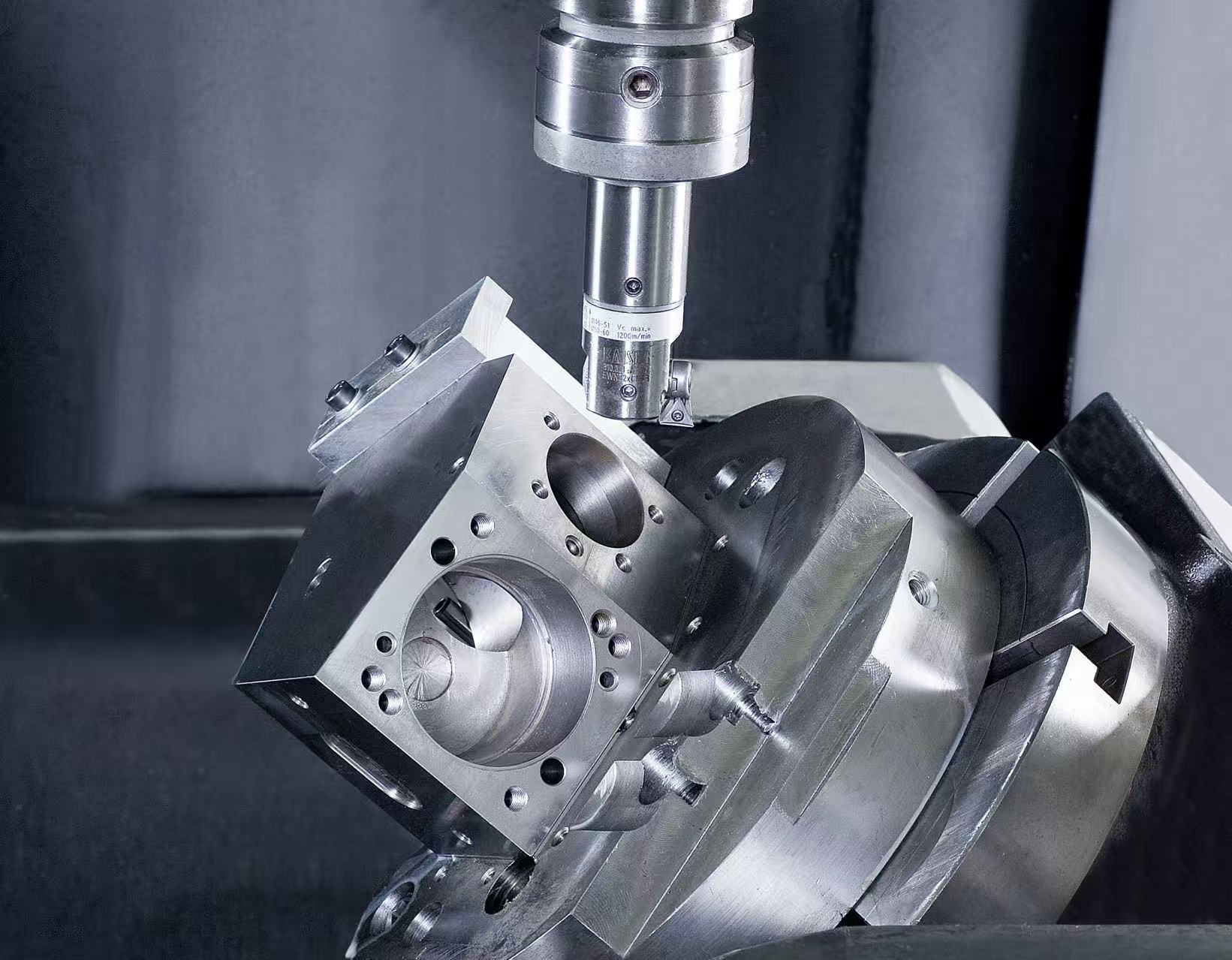
In custom manufacturing, project success depends not only on design quality but also on production continuity. Prolonged production interruptions—for whatever reason—can lead to changes in capacity allocation, workflow sequencing, and material supply.
From a manufacturing engineering perspective, these changes impact the predictability of lead times, dimensional consistency, and overall project risk, especially for custom CNC machined and fabricated parts.
What Changes Occur in Manufacturing Workflows During Prolonged Production Interruptions?
From a shop floor and planning perspective, the following factors are affected:
-
Production capacity must be reallocated after restart
-
Work-in-progress parts may be completed in different production windows
-
Setup continuity for custom jobs is interrupted
-
Material purchasing and preparation schedules shift
For standard components, these effects are usually minimal.
For custom-engineered parts, the impact is more noticeable.
Custom Parts Most Sensitive to Scheduling Gaps
1. Precision CNC Machined Parts
-
Tight tolerances
-
Multiple setups
-
High dependence on consistent tooling and fixtures
Interruptions increase the importance of clear process planning and documented setups to maintain repeatability.
2. Sheet Metal Structures and Frames
-
Flatness and alignment depend on process sequence
-
Large parts often require staged fabrication
Restarting production without prior planning can increase rework or post-processing requirements.
3. Welded Assemblies
-
Welding distortion control relies on sequence and fixturing
-
Post-weld machining often depends on earlier reference surfaces
Breaking the workflow without preparation increases dimensional risk.
Engineering Takeaway
Prolonged production interruptions do not automatically lead to delays or quality problems—but custom manufacturing projects are more sensitive to the quality of planning.
Early process definition, drawing reviews, and production sequencing can significantly reduce downstream risks.
Manufacturing Support Insight
We support overseas clients by providing early engineering reviews, process planning, and manufacturing feasibility feedback before manufacturing begins—helping to ensure production continuity even when production schedules change.
Summary
Understanding how prolonged production interruptions affect manufacturing workflows helps engineers and procurement personnel make better planning decisions. In custom manufacturing, risk is managed upstream, not corrected downstream.