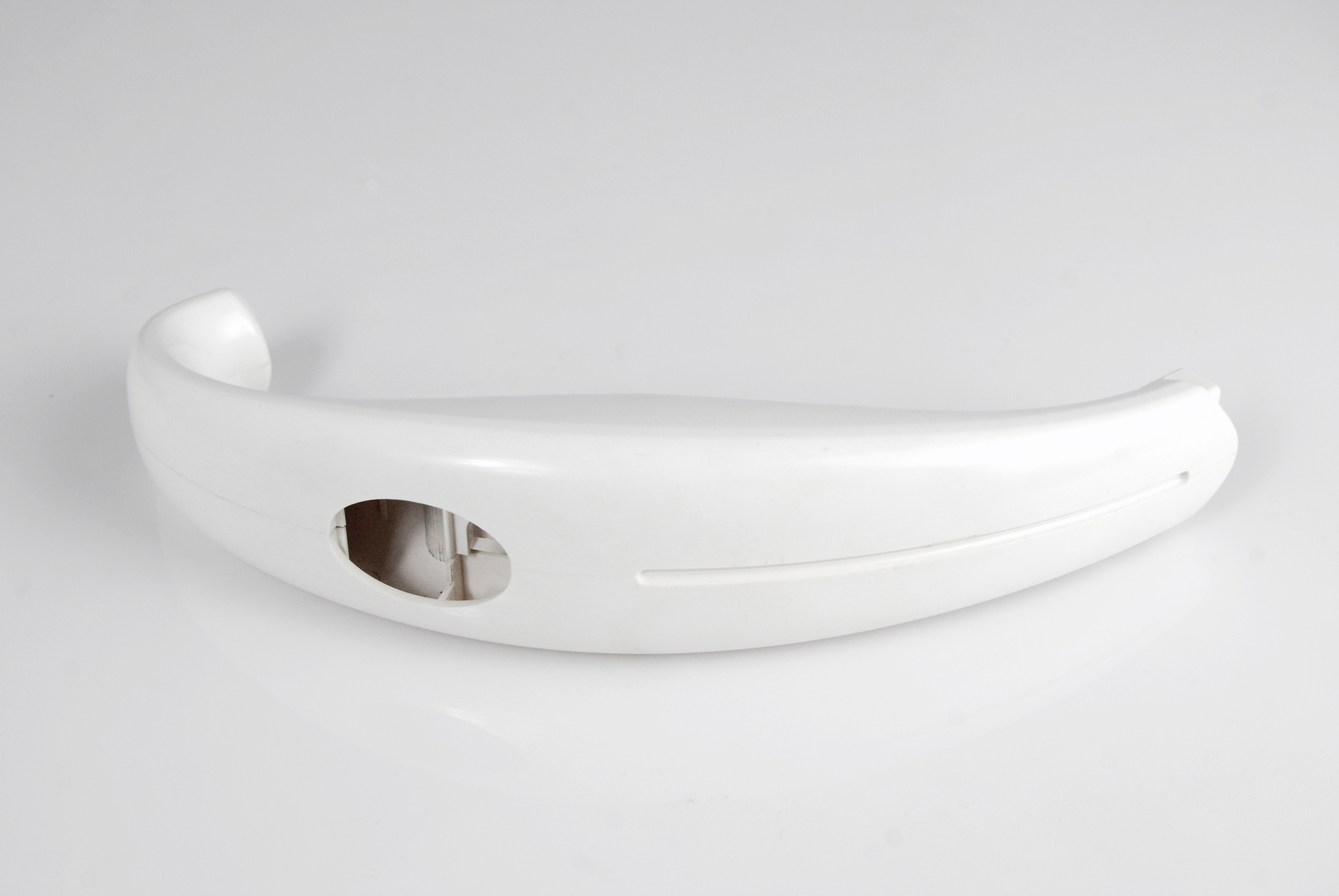
Medical device housings play a key role in protecting internal parts (like sensors, circuits, and batteries) and keeping the device safe for use. The right plastic makes the housing durable, compliant with rules, and fit for its job. The wrong plastic can lead to cracks, contamination risks, or failed tests. At CS Molding, we help clients pick the best plastic for non-contact medical device housings . Let’s break down the process in simple steps
I. Key Requirements for Medical Device Housing Plastics
Before picking a plastic, you need to know the housing’s job. Medical device housings have four core needs:
① Durability: It must resist drops, scratches, and daily wear (devices get moved between clinics or homes).
② Regulatory compliance: It must meet global standards (like FDA or ISO 13485) for non-contact medical use—no harmful chemicals that could leak out.
③ Easy to clean: It must handle frequent wiping with disinfectants (alcohol, bleach-based cleaners) without damage.
④ Compatibility: It must not react with the device’s internal parts (like batteries or wires) or the environment (moisture, heat, or cold).
II. Common Plastics for Medical Device Housings (And Their Uses)
1. Medical-Grade ABS (Acrylonitrile Butadiene Styrene)
ABS is a popular, cost-effective choice for many non-contact medical housings.
1.1 Key traits:
Tough and impact-resistant (doesn’t crack if dropped from a small height).
Easy to mold into complex shapes (good for housings with buttons or ports).
Resists most common disinfectants (alcohol wipes won’t damage it).
1.2 Best uses:
Housings for portable monitors (like blood pressure or glucose monitors).
Casings for small diagnostic tools (like otoscopes or thermometers).
Enclosures for home-use medical devices (lightweight and affordable).
2. Medical-Grade PC (Polycarbonate)
2.1 Key traits:
Ultra-impact resistant (can handle heavier drops than ABS).
Transparent (clear PC can be used for housings that need to show internal indicator lights).
Heat-resistant (works in environments up to 120°C, good for devices near warm equipment).
2.2 Best uses:
Housings for hospital-grade equipment (like ultrasound machine control panels).
Enclosures for devices that need sterilization via steam (low-temperature autoclaving).
Clear casings for diagnostic scanners (where visibility of internal parts is needed).
3. Medical-Grade PP (Polypropylene)
3.1 Key traits:
Chemical-resistant (handles strong disinfectants like bleach or hydrogen peroxide).
Lightweight and flexible (good for handheld device housings).
Low moisture absorption (doesn’t warp in humid clinics or labs).
3.2 Best uses:
Housings for devices used in sterile areas (like dental tools or lab analyzers).
Casings for portable pumps (used for medication delivery, non-contact with the body).
Enclosures for devices that get wiped down multiple times a day.
4. Medical-Grade PEI (Polyetherimide)
PEI is a high-performance plastic for specialized, high-temperature medical housings.
4.1Key traits:
Extremely heat-resistant (works up to 170°C, suitable for autoclaving).
Strong and rigid (keeps its shape under pressure).
Low flammability (safe for use near electrical medical equipment).
4.2 Best uses:
Housings for lab equipment (like centrifuge controls or test tube scanners).
Enclosures for devices used in high-heat sterilization processes (non-contact parts only).
Casings for industrial medical diagnostic machines (long service life).
III. Key Steps to Pick the Right Plastic
Follow these simple steps to choose the best plastic for your medical device housing:
①: Define the device’s use case
Will it be used at home (light use) or in a hospital (heavy, frequent use)?
Will it need to handle high heat or strong disinfectants?
Does it need to be transparent (to show lights or dials)?
②: Check regulatory compliance
Make sure the plastic meets local rules (like FDA for the US, CE for Europe) for non-contact medical devices.
Avoid plastics with unapproved additives (they could fail safety tests).
③: Balance cost and performance
ABS is cheap for basic housings; PEI is expensive but for high-demand jobs.
Pick a plastic that meets your performance needs without overspending.
④: Think about manufacturing
Choose a plastic that is easy to mold into your housing’s shape (complex designs may need ABS or PC).
Work with a partner who knows how to process medical-grade plastics (to avoid defects).
IV. CS Molding: Your Partner for Medical Device Housing Plastics
At CS Molding, we focus on creating high-quality housings for non-contact medical devices. We understand the strict rules for medical-grade plastics and the unique needs of medical device makers.
We help you select the right plastic (from ABS to PEI) based on your device’s use case and regulatory needs. Our team has expertise in molding complex housing shapes, ensuring each part is durable, easy to clean, and compliant with global standards (like FDA and ISO 13485). We do not produce implantable or body-contact medical parts—our focus is on safe, reliable enclosures for medical equipment and tools.
If you are designing a non-contact medical device and need help picking the right housing plastic or molding the final part, contact us today. We will help you create a housing that protects your device and meets all industry rules.