In precision manufacturing, CNC machining and Electrical Discharge Machining (EDM) are often used together to produce complex parts.
While CNC machining is highly efficient for removing large amounts of material, EDM excels at producing features that traditional cutting tools cannot easily achieve.
For many precision components—especially in injection molds, automation equipment, and tooling—the best results often come from combining both processes.
When CNC Machining Is the Best Choice
CNC machining is typically the first step in manufacturing a precision part. It is fast, efficient, and suitable for machining most external geometries.
CNC is commonly used for:
Machining the overall structure of a component
Creating flat surfaces, holes, and external profiles
Removing large volumes of material quickly
Producing high-precision mechanical parts
For example, when manufacturing a mold base or structural component, CNC machining is usually responsible for most of the initial material removal.
However, certain geometries can still be challenging for traditional cutting tools.
Where EDM Becomes Essential
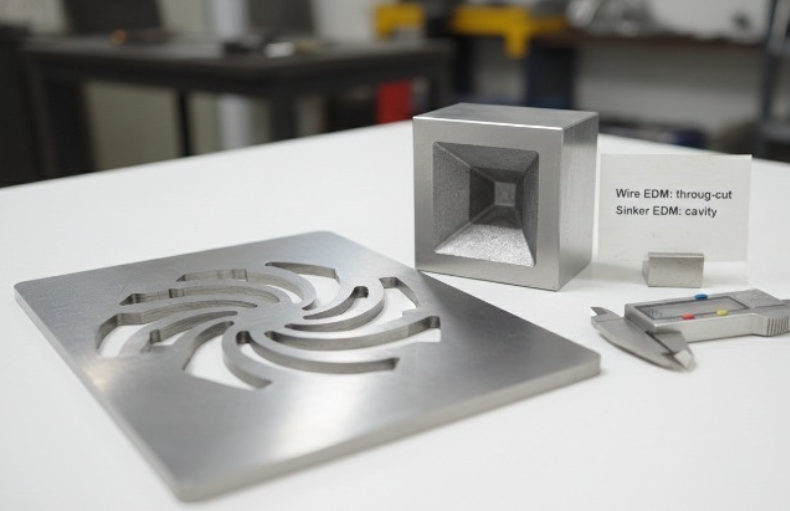
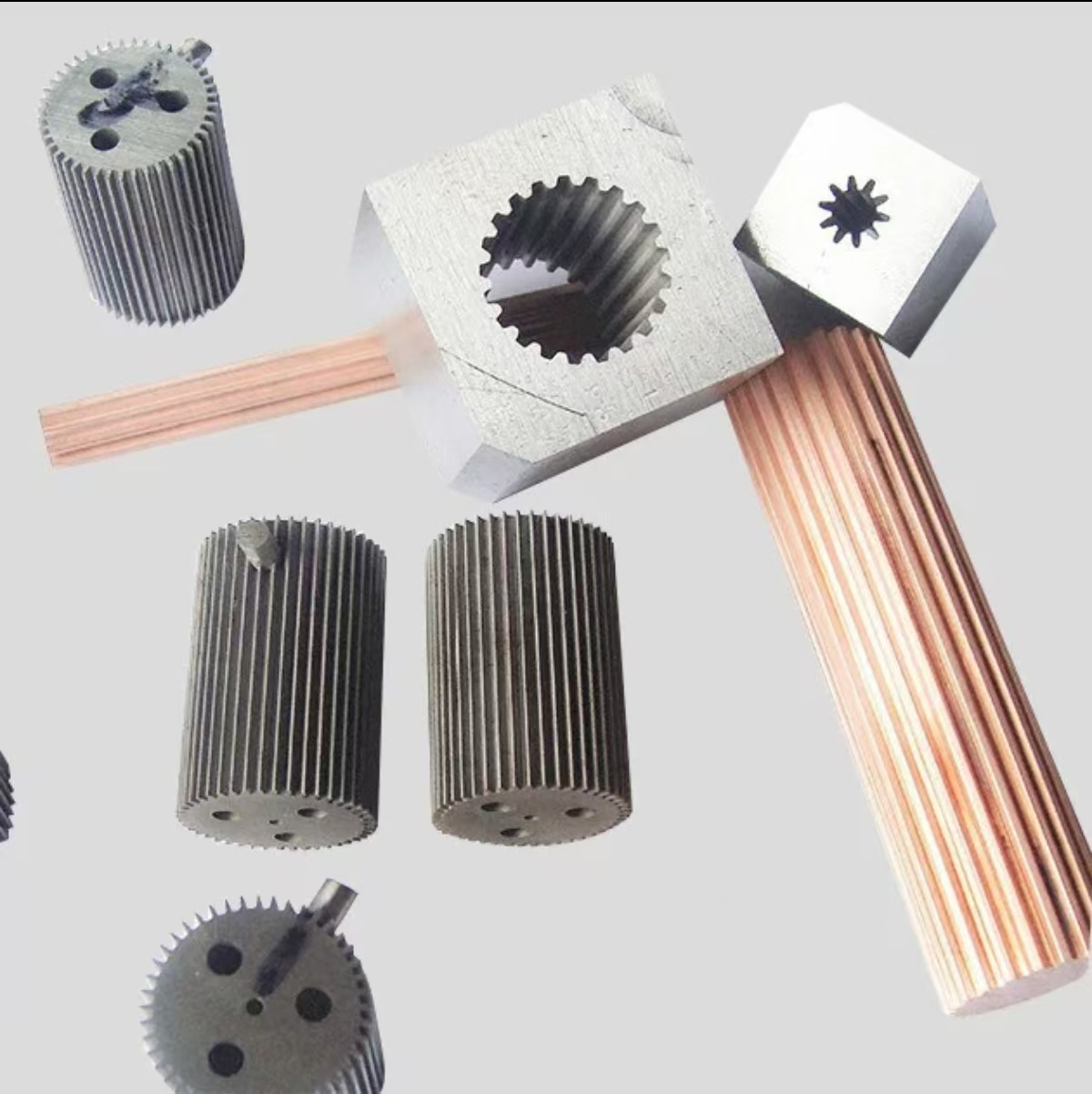
EDM machining is typically used when a design includes features that are difficult or impossible for CNC tools to produce.
Common EDM applications include:
Sharp Internal Corners
CNC milling tools are round, which means they cannot produce perfectly sharp internal corners. EDM can create these precise corners for mold inserts and interlocking components.
Deep Ribs and Narrow Slots
Long cutting tools can deflect or break when machining deep, narrow features. EDM maintains stable accuracy even in deep cavities.
Hardened Tool Steel Components
Many mold components are heat-treated to high hardness. EDM can machine hardened materials without excessive tool wear.
Fine Mold Details
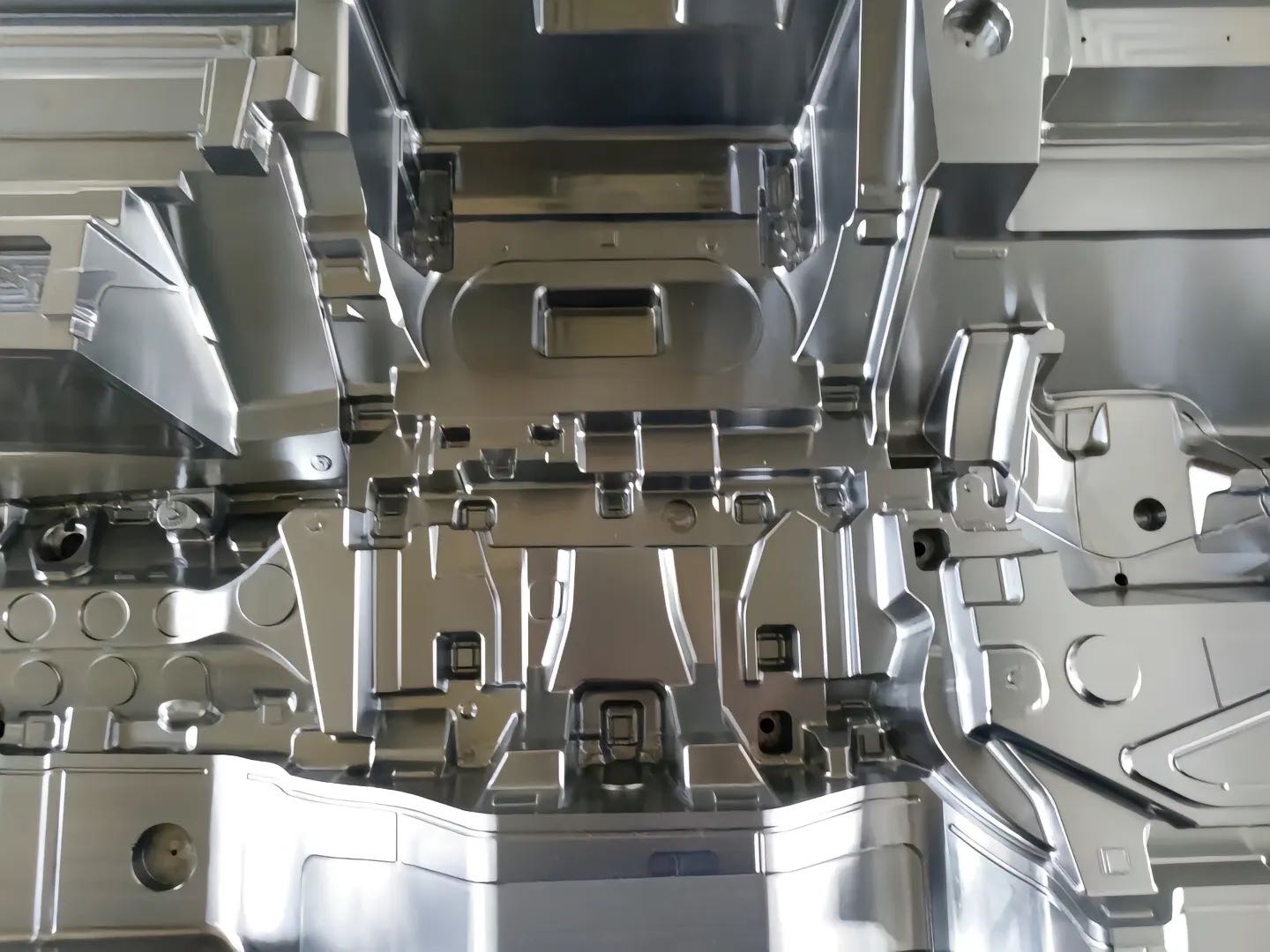
Features such as venting slots, thin ribs, and detailed cavity shapes are often finished using EDM.
Because of these capabilities, EDM is widely used in injection mold manufacturing and precision tooling.
Why CNC and EDM Are Often Used Together
In real-world manufacturing, CNC and EDM rarely compete with each other—they complement each other.
A typical production workflow may look like this:
CNC machining performs the rough shaping of the part.
Heat treatment is applied if required.
EDM machining finishes detailed features such as sharp corners, ribs, or narrow slots.
This combination offers several advantages:
Higher overall machining efficiency
Reduced tool wear
Greater design freedom
Improved precision for complex geometries
For complex mold components or precision mechanical parts, this hybrid approach often provides the best balance between cost, speed, and accuracy.
How to Choose the Right Manufacturing Strategy
When deciding between EDM and CNC machining, the best approach is not choosing one over the other—but understanding how they work together.
CNC machining handles the bulk structure and efficiency, while EDM enables complex features and precision details.
Manufacturers that integrate both processes can offer more flexible solutions for complex designs.
At CS MOLDING, our engineering team combines the use of these two processes to provide engineers with the most precise parts. Contact us to learn more about your new project.