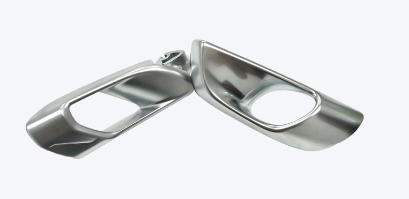
Automotive non-structural parts—like interior trim, dashboard components, sensor housings, and door decorative panels—may not bear the car’s weight. But their precision directly affects fit, appearance, and user experience. Poor precision leads to loose gaps, uneven surfaces, or assembly problems. 5-axis machining is a game-changer for these parts. It boosts precision in ways traditional 3-axis machining cannot. At CS Molding, we use 5-axis machining to produce high-precision automotive non-structural parts for global clients. Let’s explain how it works.
I.What Are Automotive Non-Structural Parts?
These parts don’t support the car’s body or engine. They focus on function, comfort, and style. Common examples include:
– Interior parts: Dashboard trim, door panel inserts, center console covers.
– Exterior decorative parts: Bumper trim, side mirror housings, grille details.
– Functional small parts: Sensor housings, wiring brackets, air vent grilles.
For these parts, even tiny errors (0.1mm or less) can ruin assembly or appearance. 5-axis machining solves this problem effectively.
II.How 5-Axis Machining Boosts Precision for Non-Structural Parts
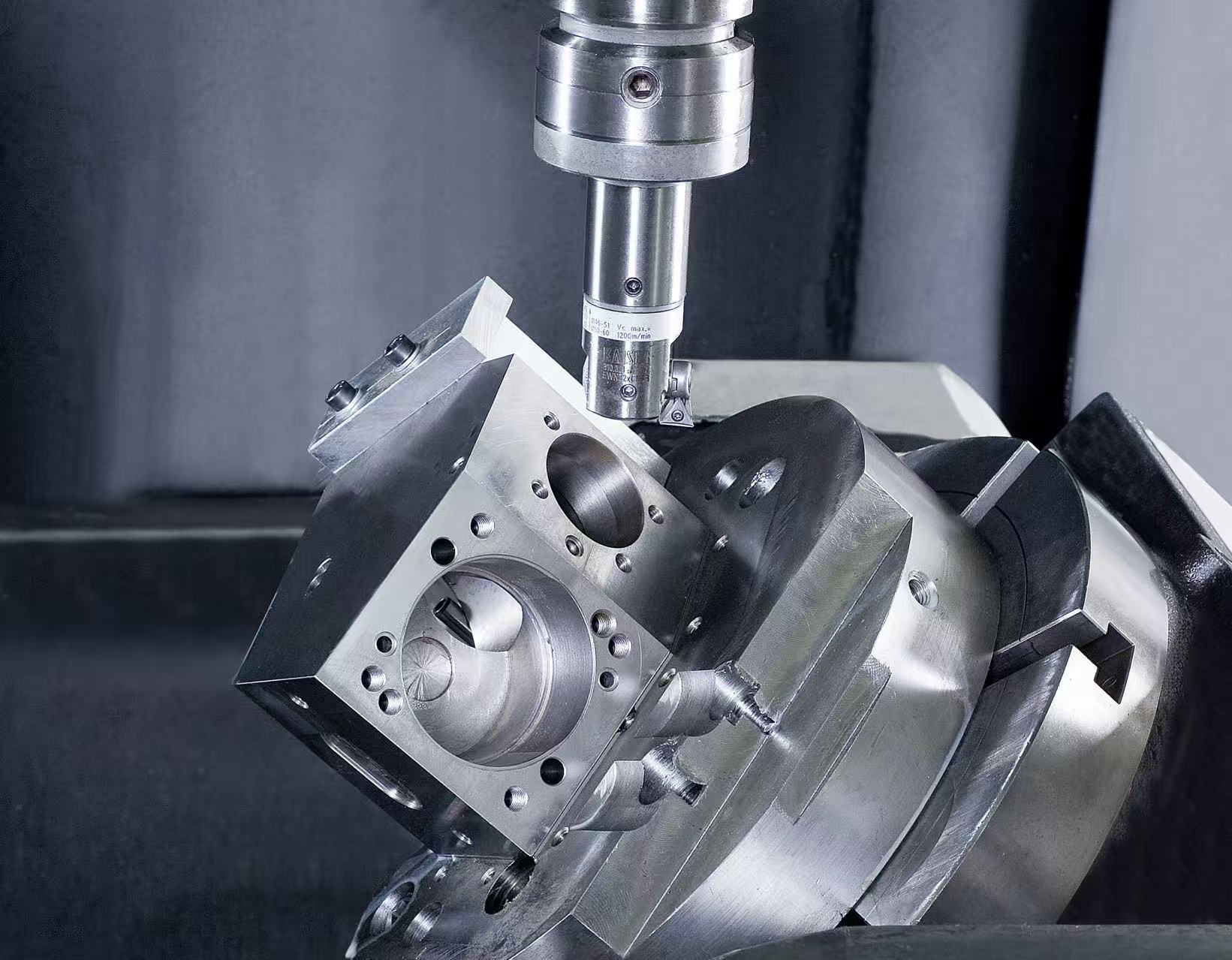
Traditional 3-axis machining moves in three straight directions (up/down, left/right, forward/backward). 5-axis machining adds two more rotations, letting the tool reach every angle of the part. This extra flexibility improves precision in four key ways:
1.Reduces Clamping Errors (Fewer Setups = Fewer Mistakes)
Complex non-structural parts (like curved dashboard trim) often need multiple setups with 3-axis machining. Each setup shifts the part slightly, adding errors.
5-axis machining finishes the part in one setup. The tool rotates and tilts to reach all surfaces without moving the part. This cuts clamping errors to near zero, ensuring every detail is precise.
2.Optimizes Tool Paths (Smoother Surfaces, No Marks)
Non-structural parts often have curved or irregular surfaces (like side mirror housings). 3-axis machining uses choppy tool paths to cut these surfaces, leaving visible marks or unevenness.
5-axis machining adjusts the tool’s angle in real time. It follows the part’s curves with a smooth, continuous path. The result is a flawless surface that needs no extra polishing—critical for visible parts like interior trim.
3.Reaches Hard-to-Access Areas (Precise Small Details)
Many non-structural parts have hidden details: small holes, slanted slots, or inner recesses (like sensor housing openings). 3-axis tools can’t reach these areas easily, leading to forced tool paths and imprecise cuts.
5-axis tools rotate to approach these areas from the best angle. It cuts small details accurately, ensuring they fit with other parts (like sensors or wiring) perfectly.
4.Minimizes Tool Vibration (Stable Cuts for Thin Parts)
Some non-structural parts are thin (like decorative grille panels). 3-axis tools often need long extensions to reach certain areas, causing vibration. Vibration leads to uneven cuts and poor precision.
5-axis machining keeps the tool short and stable by adjusting its angle. Less vibration means more consistent cuts, even for thin or delicate parts. The part retains its shape and size, with no warping or errors.
III.Key Benefits for Automotive Non-Structural Parts
Better precision from 5-axis machining brings clear value to car makers and drivers:
– Perfect fit: Parts assemble without gaps or forced adjustments, improving the car’s interior/exterior quality.
– Premium appearance: Smooth, flawless surfaces enhance the car’s luxury feel—important for high-end models.
– Longer service life: Precise parts wear evenly and don’t loosen over time (like air vent grilles).
– Faster assembly: No reworking or trimming saves time on the production line.
IV.CS Molding: Your 5-Axis Machining Partner for Automotive Non-Structural Parts
At CS Molding, we specialize in 5-axis machining for automotive non-structural parts. We understand the strict precision standards of the automotive industry—even small errors can affect the final product’s quality.
Our team uses 5-axis technology to process a wide range of non-structural parts, from interior trim to sensor housings. We focus on optimizing tool paths and reducing errors, ensuring every part meets your design requirements and fits perfectly. We work with both traditional and electric vehicle brands, delivering parts that boost appearance, function, and assembly efficiency.
If you’re looking to improve the precision of your automotive non-structural parts, contact us today. We’ll help you leverage 5-axis machining to create high-quality parts that stand out in the market.