Custom manufacturing projects often face a common challenge: striking the right balance between cost and precision. You want components that precisely meet your rigorous specifications, yet you wish to avoid incurring unnecessary additional expenses. Excessive precision can cause costs to skyrocket, while insufficient precision may completely compromise a component’s functionality. At CS Molding, we are dedicated to helping clients worldwide find this perfect equilibrium—securing high-quality, high-precision components at a reasonable cost. Join us as we explore some simple yet practical strategies to help you achieve the ideal balance between these two critical factors.
I.Clarify exactly what kind of “precision” you actually need.
Not all custom parts require extremely high precision. The first step in balancing cost and precision is to clearly define exactly what level of precision your specific part requires.
Two simple questions:
①What is the purpose of this part? Parts designed to interface with other components (such as brackets) typically require higher precision than those serving a purely aesthetic function (such as trim pieces).
②What are the consequences if precision is insufficient? For functional parts (such as sensor housings), even minor errors can lead to the failure of the entire product; conversely, for decorative parts, minor errors may be completely inconsequential.
Example: A custom bracket for a consumer electronics device must fit perfectly with the internal components of the unit—therefore, it requires extremely high precision. In contrast, a decorative trim piece for a car interior can accommodate slightly larger tolerances (i.e., minor deviations) without compromising its intended use.
Clearly defining your “precision requirements” in advance allows you to effectively avoid paying extra costs for levels of precision that are not actually needed.
II.Selecting the Right Materials
The materials you choose have a significant impact on both cost and precision. While some materials are expensive, they are easy to machine with high precision; conversely, other materials may be inexpensive but difficult to machine to a flawless level of accuracy.
Here are a few simple tips regarding material selection:
① If your project requires high precision but is constrained by a limited budget, opt for materials that are easy to machine. For instance, aluminum is less expensive than titanium and lends itself more readily to precision machining—making it an excellent choice for parts that do not require exceptionally high strength.
② Avoid overusing high-cost materials. Although titanium offers high strength and excellent machinability, it comes at a premium price. If your part does not specifically require titanium’s unique high-strength properties (such as a small decorative bracket), consider using more economical alternatives like steel or plastic instead.
③Verify material availability. While rare materials may facilitate higher machining precision, they often entail higher procurement costs and longer lead times—factors that will undoubtedly increase the overall cost of your project.
III.Optimizing Part Design
Complex designs often require more time and higher precision to machine, thereby leading to increased costs. Simplifying part designs—without sacrificing functionality—is an excellent strategy for balancing cost and precision.
Design Simplification Suggestions:
① Avoid unnecessary details. Small holes, sharp corners, or curved surfaces that serve no practical purpose merely increase machining time and costs.
② Utilize standard dimensions. Non-standard dimensions for holes, slots, or edges often necessitate the use of specialized tooling and impose stricter requirements on machining precision; in contrast, machining with standard dimensions is both economical and efficient.
③ Minimize fixturing setups. Parts that can be fully machined in a single setup are less costly than those requiring multiple setups (as each additional setup increases machining time and introduces potential sources of dimensional error)
IV.Choose the Right Machining Process
Different manufacturing processes entail varying costs and levels of precision. Selecting the appropriate process for your project allows you to both save on expenses and ensure the required level of accuracy.
Common Manufacturing Processes and Their Applications:
① 3-Axis Machining: Low in cost and fast in execution, this method is suitable for simple parts (such as flat brackets). Its precision is sufficient to meet basic requirements.
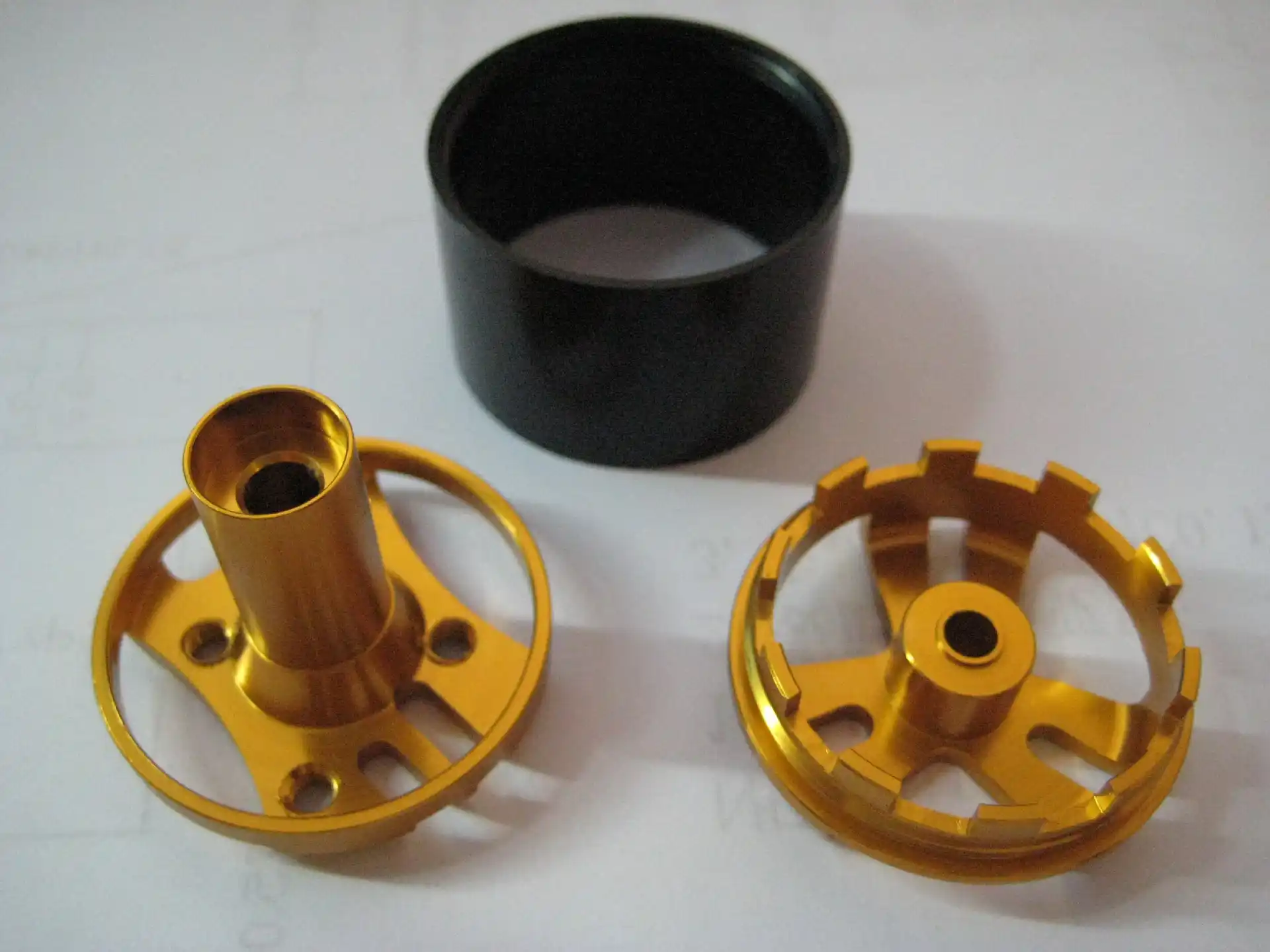
② 5-Axis Machining: While higher in cost, this method is ideally suited for manufacturing complex, high-precision parts (such as contoured electronic enclosures). It is recommended only when your parts genuinely require an exceptionally high degree of precision.
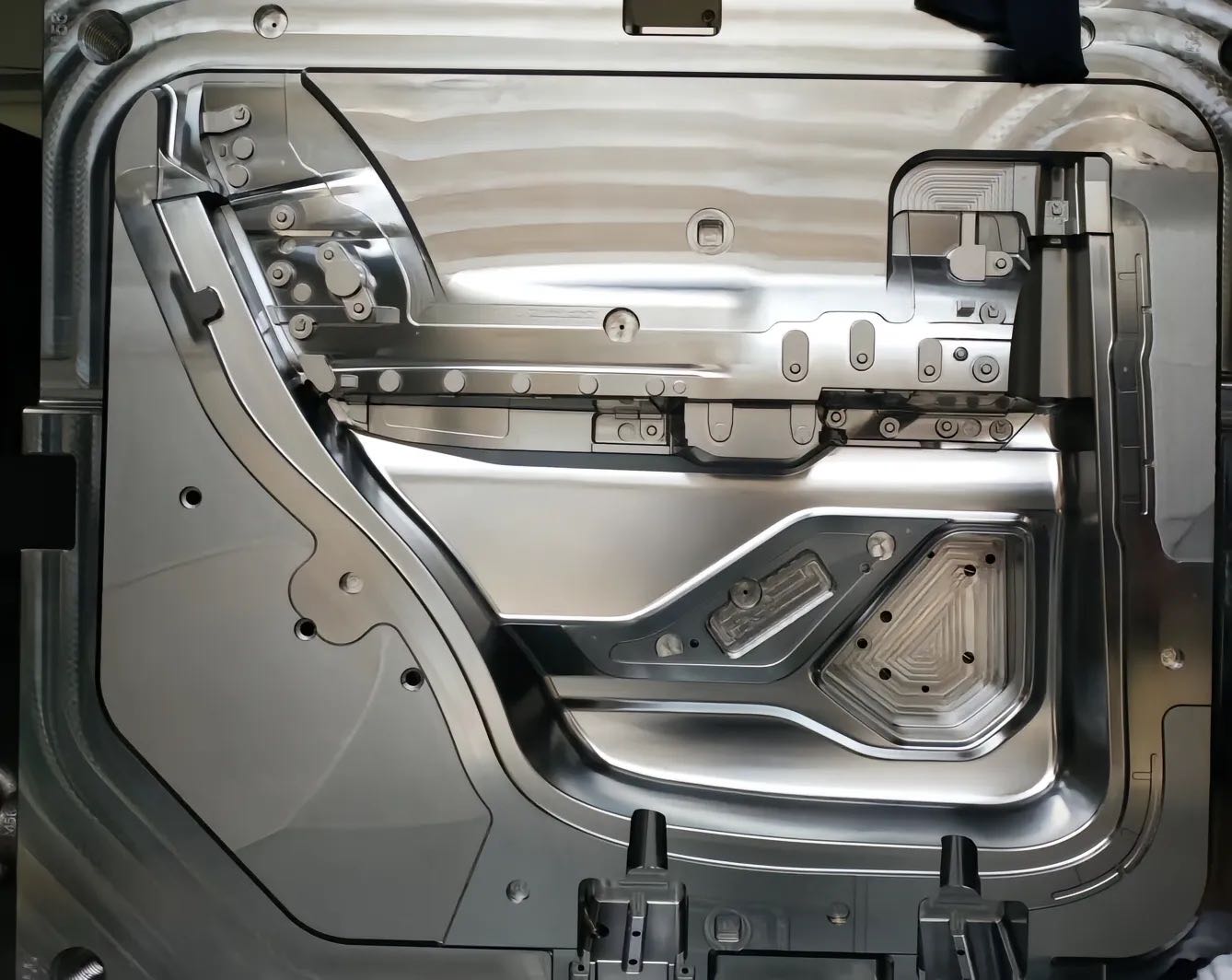
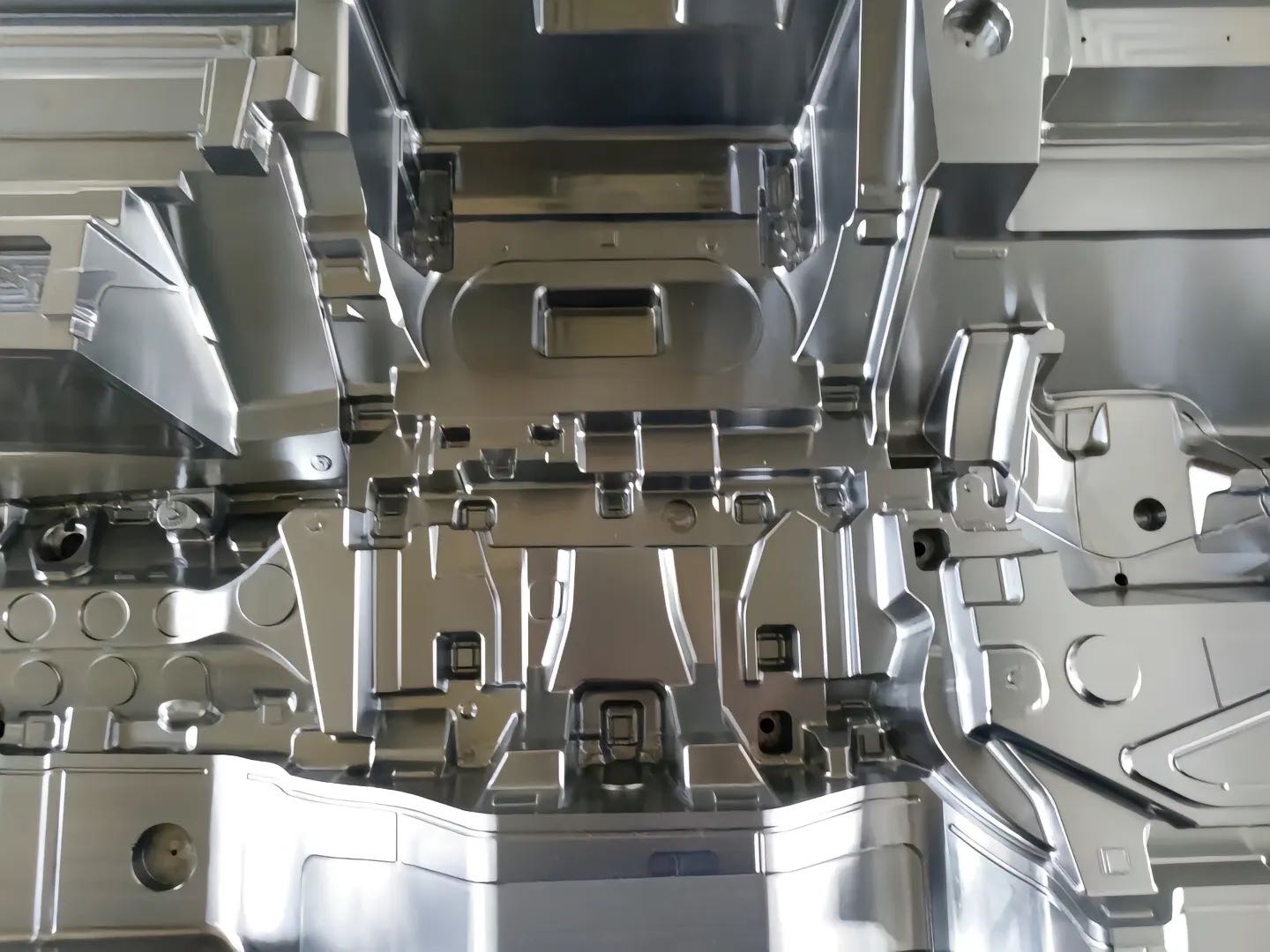
③ Injection Molding: Highly suitable for mass production. Although the initial upfront investment is significant, the manufacturing cost per individual part is extremely low—making it the ideal choice if you require a large volume of identical, high-precision parts.
Tip: If you require only a small quantity of high-precision parts, 5-axis machining is the better choice; however, if you need hundreds or even thousands of parts, injection molding will prove to be the more cost-effective option in the long run.
V.Set Realistic Tolerances
Tolerance is the amount of error allowed in a part’s size or shape. Tighter tolerances (smaller errors) mean higher precision—and higher cost.
How to set realistic tolerances:
① Only use tight tolerances for critical parts of the product. For example, the hole where a screw fits needs tight tolerance, but the back of a casing does not.
② Talk to your machining partner. They can tell you what tolerances are possible at different costs. Sometimes, a slightly looser tolerance (that still works for your part) can cut costs significantly.
VI.Work with a Reliable Machining Partner
A good machining partner helps you balance cost and precision. They can offer advice on design, material, and process—saving you money without losing quality.
What to look for in a partner:
1.They understand your project’s needs. They don’t push for unnecessary precision (and extra cost) if your part doesn’t need it.
2.They have experience with similar projects. They know which processes and materials work best for your type of part.
3.They communicate clearly. They tell you upfront how changes to design or precision will affect cost.
At CS Molding, we specialize in custom machining projects—helping clients balance cost and precision every step of the way. We understand that you want high-quality parts that fit your budget and meet your requirements.
Our team works with you to define your precision needs, choose the right material and process, and optimize your part design. We don’t cut corners on quality, but we also don’t make you pay for unnecessary precision. Whether you need a small batch of precise parts or a large-scale project, we help you find the perfect balance.
If you’re working on a custom machining project and need help balancing cost and precision, contact us today. We’ll help you create high-quality parts at a price that works for you.